
AWP Dragon Lore: How CS2’s Iconic Skin Became a Grail Item
The AWP Dragon Lore is one of the most recognizable skins in Counter-Strike history. Its reputation comes from more than its medieval artwork:
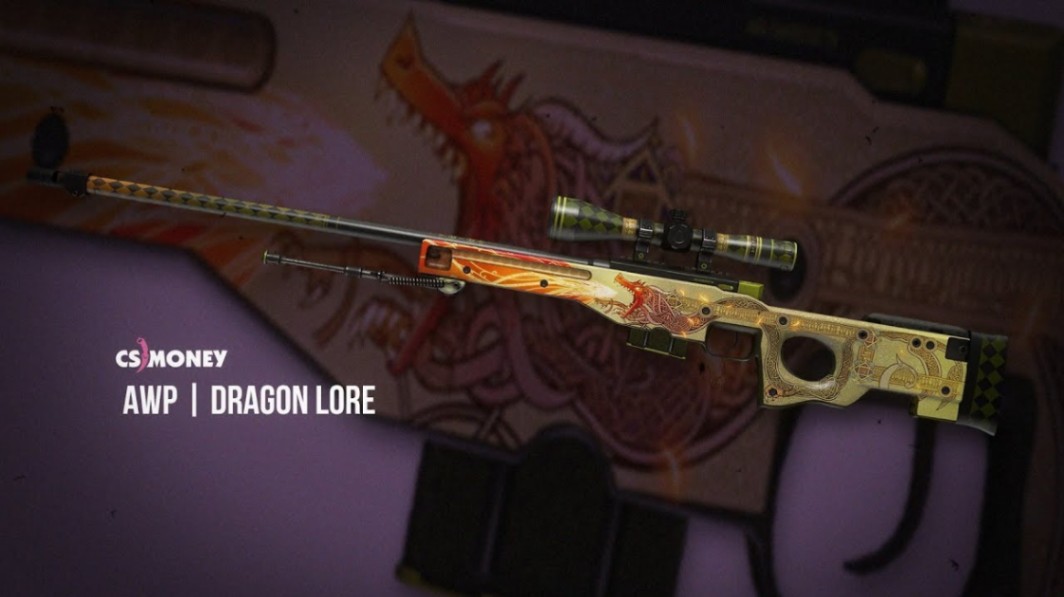
limited supply, the legacy of Cobblestone, rare Souvenir versions, float differences, and years of exposure in professional CS have turned the Dragon Lore into a collector trophy.
Prices and liquidity change—check current offers at the time of reading.
Featured Snippet: Why Is the AWP Dragon Lore So Valuable?
The AWP Dragon Lore is valuable because it comes from the discontinued Cobblestone Collection, has limited supply, is available in extremely desirable Souvenir versions, and has become deeply connected with Counter-Strike esports culture. Factory New examples, especially those with notable tournament stickers or exceptional floats, can command substantial collector premiums.
The Real Origin of the AWP Dragon Lore
One important detail gets repeated incorrectly surprisingly often: Dragon Lore was not released in 2013, and it does not come from a "Dragon Case."
The skin arrived with The Cobblestone Collection in 2014. It is a Covert AWP finish featuring a dragon across the rifle's body, surrounded by medieval-inspired decorative elements.
That collection matters enormously to the skin's story.
Unlike ordinary case skins such as AWP | Asiimov, Dragon Lore was tied to a map collection. Historically, Cobblestone Souvenir Packages created another route to obtaining special Souvenir versions during supported tournaments.
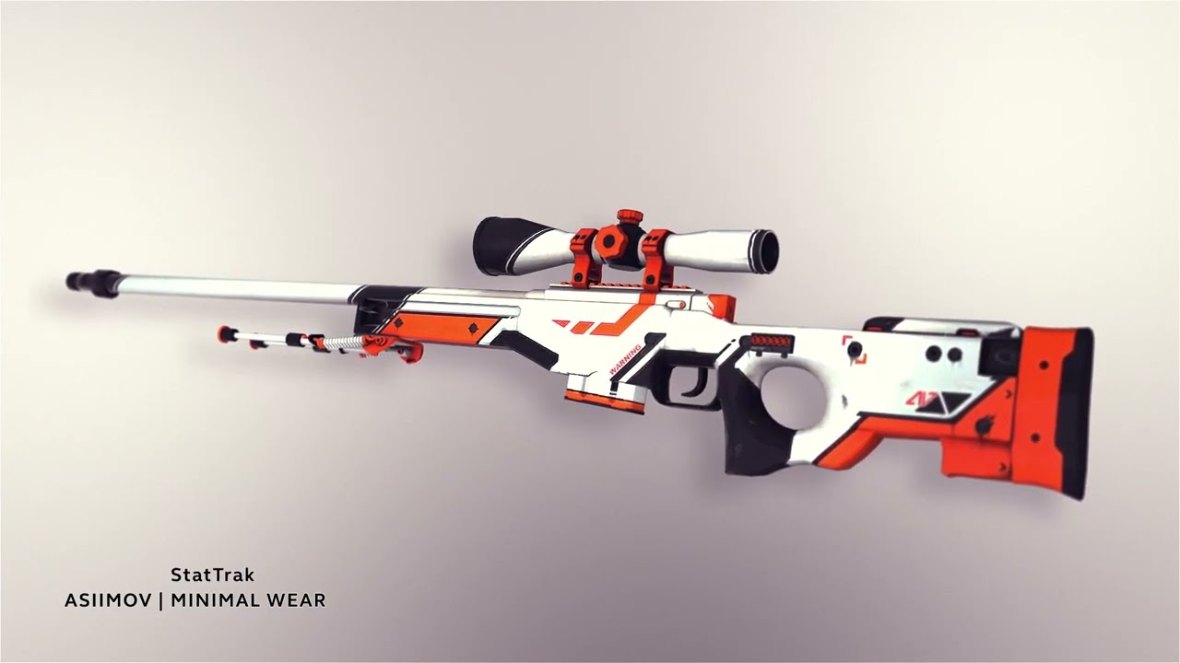
Once Cobblestone disappeared from the relevant competitive map pool and its Souvenir packages stopped being generated at Majors, the supply dynamics changed dramatically.
That is the foundation of Dragon Lore's scarcity.
Why AWP Dragon Lore Supply Is So Limited
Dragon Lore sits at the Covert tier of the Cobblestone Collection. That already makes obtaining one difficult compared with lower-rarity skins from the same collection.
More importantly, there is no regularly dropping CS2 weapon case that players can simply open indefinitely to chase a Dragon Lore.
Older Cobblestone items still exist in inventories and can move between players, but creating additional Dragon Lores is constrained by the collection's historical availability and CS2's Trade Up Contract system.
This separates it from popular case-based AWPs whose cases continue circulating in much larger quantities.
Regular vs. Souvenir Dragon Lore
The distinction becomes even more important with Souvenirs.
| Version | What Makes It Special |
|---|---|
| Regular Dragon Lore | Original Cobblestone Collection skin |
| Factory New Dragon Lore | Cleaner wear and strong collector demand |
| Souvenir Dragon Lore | Tournament-linked version with Souvenir stickers |
| Souvenir FN Dragon Lore | Combines Souvenir provenance with top wear tier |
| Exceptional sticker combinations | Tournament, team, and player stickers can significantly affect collector interest |
A Souvenir Dragon Lore isn't simply a normal Dragon Lore with stickers manually applied afterward. Its Souvenir origin is part of the item's permanent identity.
That provenance is a major reason collectors treat the two categories differently.
Why Souvenir Dragon Lore Became So Desirable
Old Major Souvenir Packages are effectively snapshots of Counter-Strike history.
When Cobblestone was part of the tournament map pool, viewers could receive or later obtain Cobblestone Souvenir Packages associated with specific matches. Those packages could contain collection skins with tournament-related stickers.
Dragon Lore was the dream outcome.
That combination created something ordinary skins couldn't easily reproduce: a rare finish tied directly to a particular era of professional Counter-Strike.
For collectors, the stickers can matter almost as much as the base skin. Event, team, and player combinations can make two visually similar Dragon Lores very different collectibles.
Pro tip: Never evaluate an expensive Souvenir solely from the generic market price of its base skin. Inspect its float, sticker combination, tournament provenance, and comparable sales separately.
How Esports Built the Dragon Lore Myth
Scarcity alone doesn't create an icon.
Dragon Lore became instantly recognizable because the AWP itself has always been one of Counter-Strike's signature weapons. Professional AWPers, tournament broadcasts, trading communities, highlight videos, and streamers gave the skin enormous visibility.
Over time, owning one became a statement.
A player holding a Dragon Lore in-game isn't displaying just another expensive finish. They're displaying an item associated with an earlier era of CS:GO, Cobblestone, Major Souvenirs, and years of trading culture.
That history is difficult for a newly released skin to reproduce.
Float Matters — But Not in a Simple Way
Like other wear-based CS2 skins, Dragon Lore has a float value that determines its wear within the available condition range.
Lower float generally means a cleaner-looking skin and can increase collector interest, particularly within Factory New.
But there is no universal rule such as "a 0.01 Dragon Lore is worth twice as much as a 0.07."
The actual premium depends on the individual item and market conditions.
For a regular Dragon Lore, buyers may focus heavily on wear and float. For a Souvenir example, provenance and stickers can add another layer of complexity.
That makes high-end Dragon Lore valuation much closer to evaluating a collectible than checking the cheapest listing for an ordinary play skin.
AWP Dragon Lore vs. Other Legendary CS2 Skins
Dragon Lore isn't the only skin with serious collector status.
| Skin | Why Collectors Care |
|---|---|
| **AWP | Dragon Lore** |
| **M4A4 | Howl** |
| **AK-47 | Wild Lotus** |
| **AWP | Gungnir** |
The M4A4 | Howl is especially unusual because Valve classified it as Contraband following a copyright dispute involving its original artwork.
AWP | Gungnir, meanwhile, became another high-end AWP collectible through the Norse Collection.
Yet Dragon Lore has an advantage that is difficult to quantify: recognition. Even players who don't actively trade skins often know what a Dragon Lore is.
How the AWP Dragon Lore Reached Five- and Six-Figure Territory
There isn't one clean historical price chart that accurately represents every Dragon Lore.
Condition changes the value. Souvenir status changes it again. Float, stickers, provenance, marketplace liquidity, and individual negotiations can all produce dramatically different prices.
This is particularly important when headlines mention "$100,000 Dragon Lores."
That figure should not be interpreted as the standard price of every Dragon Lore. Exceptional Souvenir examples and privately traded collector pieces can occupy a completely different market from ordinary versions.
The broader progression is easier to understand:
| Stage | What Changed |
|---|---|
| 2014 | Dragon Lore enters CS:GO through the Cobblestone Collection |
| Cobblestone Major era | Souvenir Packages create tournament-linked versions |
| Growing CS:GO economy | Dragon Lore becomes an increasingly recognizable status skin |
| Cobblestone leaves the active competitive environment | New Souvenir supply becomes increasingly constrained |
| CS2 era | Existing Dragon Lores remain major legacy collectibles |
Rather than one event sending prices upward, several factors compounded over years.
Scarcity Meets Demand
Limited supply doesn't automatically make an item valuable.
There also needs to be demand.
Dragon Lore benefits from both sides of the equation. Supply is restricted by its collection history, while demand comes from players, traders, collectors, content creators, and fans of Counter-Strike history.
Its visual identity helps too.
The dragon artwork is immediately recognizable even in a busy inventory. Unlike finishes whose appeal depends heavily on a specific pattern seed or Doppler phase, the basic identity of Dragon Lore is consistent.
That makes the skin easy to recognize and easy to discuss—two surprisingly important qualities for an iconic collectible.
Why Dragon Lore Isn't a Guaranteed Investment
Past appreciation does not guarantee future returns.
The CS2 skin economy depends on player demand, Valve's decisions, trading rules, marketplace liquidity, and broader collector sentiment. Any of those can change.
Expensive skins also introduce practical risks.
Low liquidity can make headline valuations misleading. A listed price isn't necessarily a completed sale, and finding a buyer for an exceptionally expensive item may take time.
Scams are another concern. High-value inventories attract phishing attempts, fake trading websites, impersonators, and fraudulent offers.
For serious collectors, account security matters as much as market research.
[Placeholder: CS2 Trading Safety Guide → URL]
What Dragon Lore Teaches CS2 Collectors
The biggest lesson isn't simply "buy rare skins."
Dragon Lore shows how several characteristics can reinforce one another:
Scarcity: supply is difficult to expand.
Recognition: players immediately know the skin.
History: it is linked with Cobblestone and an important period of CS:GO.
Esports provenance: Souvenir versions connect individual items with tournaments.
Collector depth: condition, float, stickers, and provenance create multiple levels of rarity.
Longevity: demand has survived major changes to Counter-Strike itself.
Compare that with an obscure discontinued skin. It may also be rare, but rarity without sustained demand doesn't automatically create Dragon Lore-level collector interest.
Can New Dragon Lores Still Be Created?
This question needs a little nuance.
Fresh Cobblestone Souvenir Packages are no longer being distributed through current Majors, but unopened historical packages still exist. Existing eligible skins from the Cobblestone Collection also matter because of Trade Up Contracts.
So describing the supply as absolutely fixed would be misleading.
A better description is highly constrained.
Any remaining routes to additional Dragon Lores depend on increasingly scarce legacy items rather than a normal, actively supplied case.
Is the AWP Dragon Lore Still Worth Collecting?
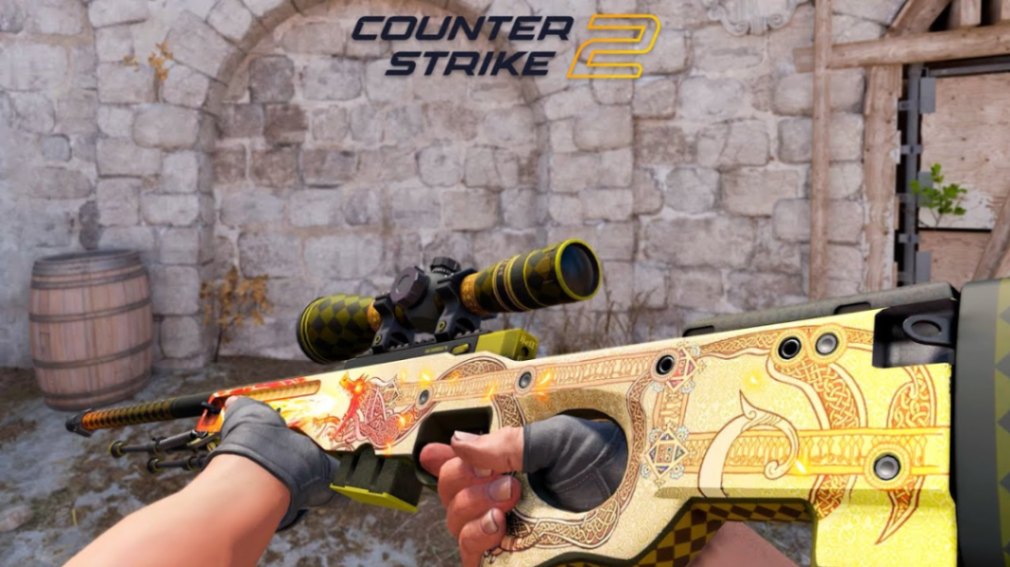
For collectors, Dragon Lore remains important because few CS2 skins combine the same level of visual recognition, scarcity, esports history, and cultural status.
For someone approaching it purely as an investment, the calculation is more complicated.
High entry costs, thin liquidity at the premium end, marketplace fees, security risks, and unpredictable future demand all matter. Past performance shouldn't be treated as a promise of future appreciation.
Collectors should also distinguish between owning a Dragon Lore because they genuinely want one and buying it solely because they expect the price to rise.
[Placeholder: Best AWP Skins in CS2 → URL]
[Placeholder: Rare CS2 Skins Collector's Guide → URL]
Key Takeaways
The AWP Dragon Lore debuted with the Cobblestone Collection in 2014, not a "Dragon Case."
Limited historical supply is one of the biggest reasons behind its collector value.
Souvenir Dragon Lores add tournament provenance and sticker combinations to an already rare base skin.
Float and wear matter, but there is no universal multiplier for a particular float value.
Six-figure Dragon Lore stories generally concern exceptional collector-grade examples, not every version of the skin.
Its combination of scarcity, recognizable artwork, esports history, and long-term demand made Dragon Lore one of Counter-Strike's defining cosmetics.
FAQ
Why is the AWP Dragon Lore so expensive?
The AWP Dragon Lore combines limited supply with unusually strong demand. Its Cobblestone Collection origin, famous design, esports history, and rare Souvenir versions have made it a major Counter-Strike collectible.
What case contains the Dragon Lore?
There is no Dragon Lore weapon case. The skin belongs to The Cobblestone Collection. Historical Cobblestone Souvenir Packages could also contain Souvenir versions of collection skins.
When was the AWP Dragon Lore released?
Dragon Lore arrived in 2014 as part of the Cobblestone Collection during the CS:GO era.
What is the difference between Dragon Lore and Souvenir Dragon Lore?
A regular Dragon Lore is a standard collection skin. A Souvenir Dragon Lore originates from a tournament Souvenir Package and carries Souvenir provenance and tournament-related stickers, making certain examples particularly desirable to collectors.
Does float affect Dragon Lore value?
Yes. Lower-float examples within the same wear tier can attract premiums, especially in Factory New condition. However, there is no fixed price multiplier because Souvenir status, stickers, provenance, supply, and buyer demand also affect valuation.
Is AWP Dragon Lore still one of CS2's most collectible skins?
Yes. The AWP Dragon Lore remains a landmark CS2 collectible because its appeal isn't based on rarity alone. Cobblestone history, Souvenir versions, iconic artwork, esports exposure, and years of collector demand have given it a position few other skins can replicate.