
How Community Artists Design CS2 Skins: Inside the Process
Community artists are the reason CS2 skins feel alive. Every time a new case drops, players hunt for standout finishes, rare patterns, clean sticker combos, and skins that instantly become part of the game’s identity. The best part? Many of those designs started as simple Steam Workshop concepts made by regular players.
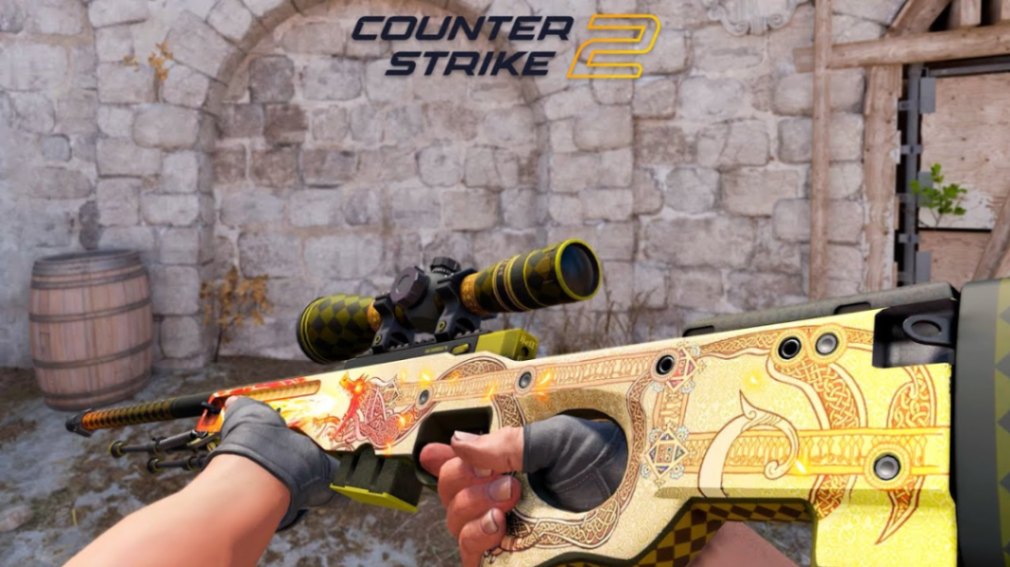
From the AWP Dragon Lore to the Neo-Noir series, community-made skins continue to shape the CS2 economy and culture.
Featured Snippet
How do community artists design CS2 skins?
Most CS2 skin creators follow a similar process:
Find inspiration from games, art, fashion, history, or real-world culture
Sketch concepts and experiment with colors and themes
Build textures and patterns in design software
Test visibility and readability in-game
Submit designs to the Steam Workshop
Refine the skin based on community feedback
Work with Valve if the skin gets selected for release
The final result is a skin that balances style, gameplay clarity, and market appeal.
Why Community Artists Matter in CS2
CS2 skins are more than cosmetic items. They’re collectibles, flex pieces, and sometimes even long-term investments. Community artists keep the ecosystem fresh by introducing new visual styles that Valve alone probably wouldn’t create.
Some skins focus on clean tactical aesthetics. Others go full cyberpunk, anime-inspired, or abstract. That variety is what keeps cases interesting year after year.
A few legendary examples:
Counter-Strike 2 AWP Dragon Lore
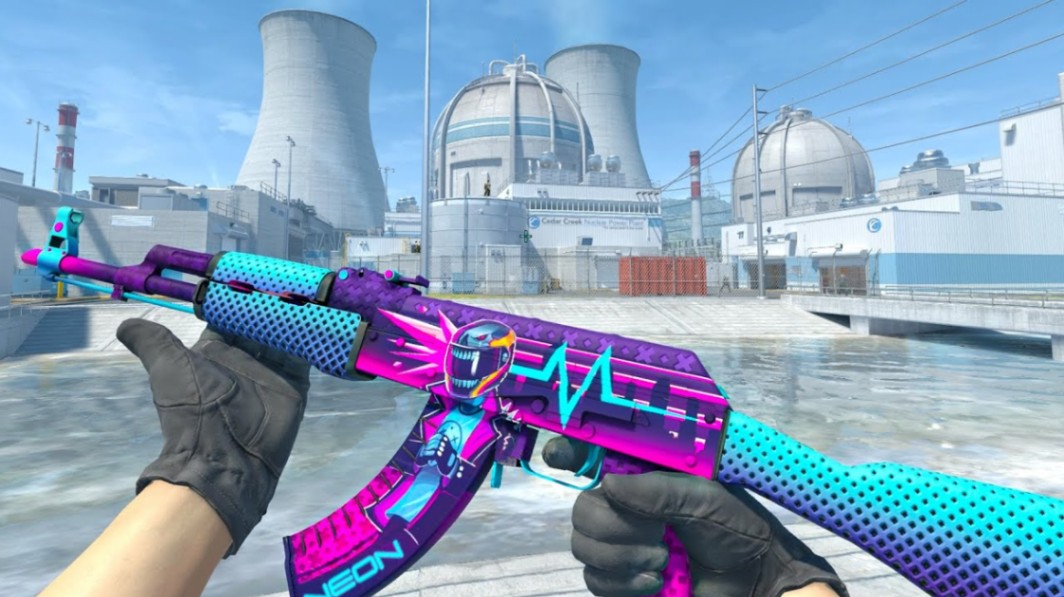
AK-47 Neon Rider
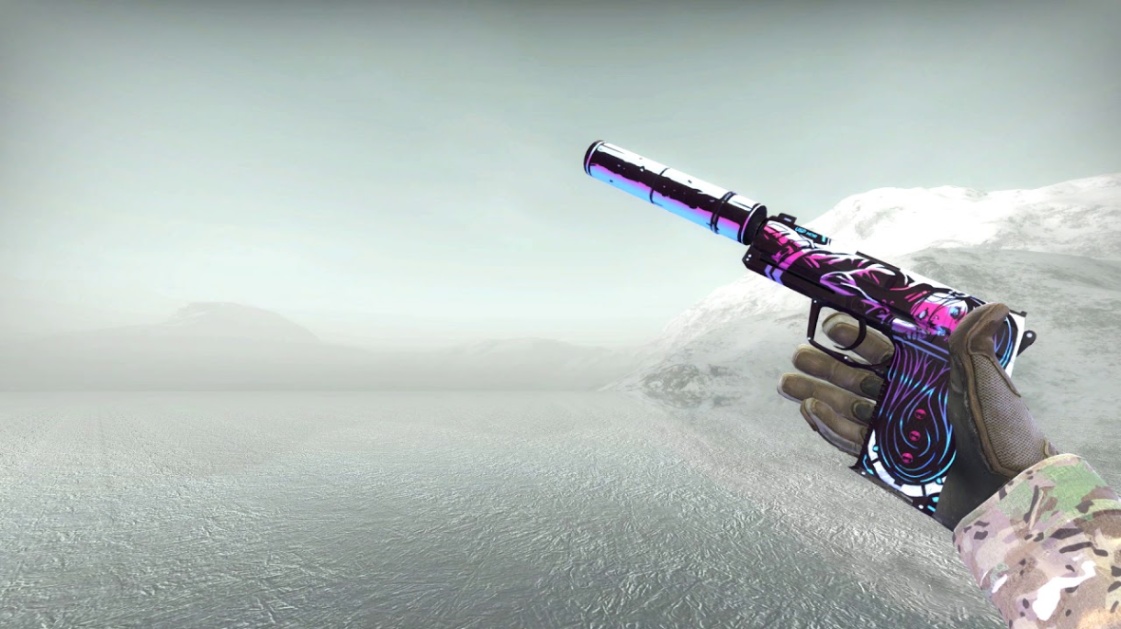
USP-S Neo-Noir
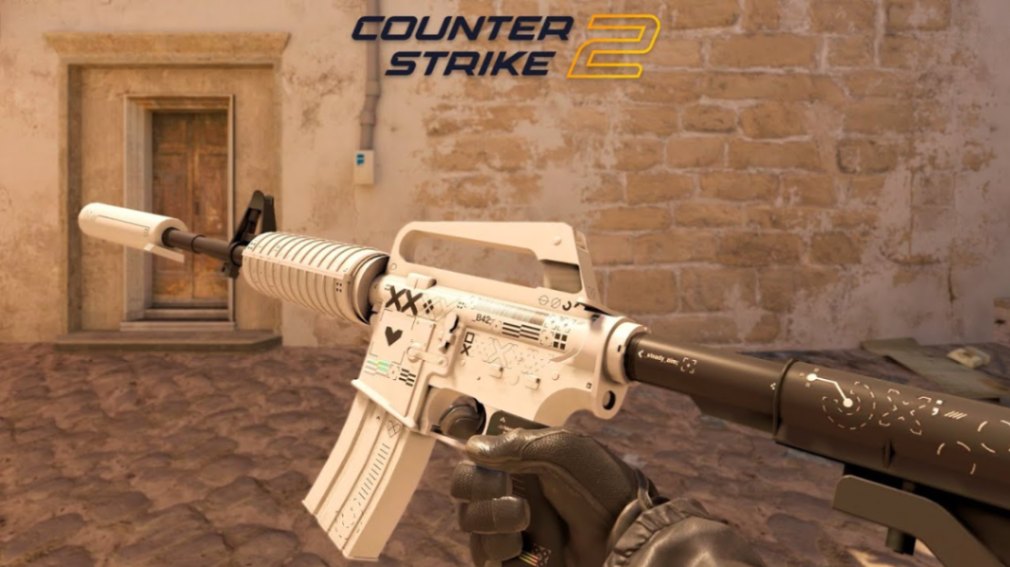
M4A1-S Printstream
These skins became recognizable far beyond the game itself.
For aspiring creators, the Workshop also offers something rare in gaming: a direct path from fan art to official content.
Where CS2 Skin Ideas Come From
Real-World Inspiration
Many top skin creators pull ideas from outside gaming entirely.
The Dragon Lore famously drew inspiration from fantasy artwork and dragon mythology. Neo-Noir skins blend comic-book shading with film noir aesthetics. Printstream uses minimalist monochrome design with reflective accents that stand out in-game.
Artists often study:
Streetwear graphics
Car wraps
Anime and manga
Military equipment
Graffiti culture
Traditional art styles
That mix of influences helps skins feel unique without breaking CS2’s visual style.
Building Around a Theme
Good skins usually stick to one strong concept.
Trying to combine too many ideas at once often creates clutter, especially on weapons with smaller visible surfaces like the MP9 or Five-SeveN.
The strongest Workshop submissions usually have:
A clear color palette
Recognizable shapes
Readable details at gameplay distance
Strong inspect animations
Players notice these things instantly during matches.
Pro tip: Some creators test their skins on low graphics settings first. If the design still looks clean there, it’ll usually work well for most players.
The Technical Side of CS2 Skin Design
Balancing Style and Gameplay
A skin might look incredible in a render but terrible during an actual match.
That’s why experienced artists constantly test visibility in-game. Overly detailed textures can blur during movement or become distracting in fights.
Designers also think about:
Lighting on different maps
How wear affects the finish
Sticker placement potential
StatTrak counter positioning
Float behavior from FN to BS
A skin that looks good only in Factory New often struggles long-term compared to finishes that age gracefully into Minimal Wear or Field-Tested.
Patterns, Seeds, and Texture Work
Pattern-based skins add another layer entirely.
Skins like Case Hardened or Fade became iconic partly because different seeds create unique appearances. Blue Gems are the obvious example, but even Doppler phases create huge variation within the same finish family.
Community artists know collectors pay attention to:
Pattern rarity
Symmetry
Color distribution
Sticker synergy
Wear consistency
That’s why texture quality matters so much.
From Steam Workshop to Official Release
Steam Workshop and Community Voting
Once a skin is ready, creators upload it to the Steam Workshop.
This stage matters more than many people realize. Visibility, presentation, and community feedback can all influence whether a design gains traction.
Popular Workshop creators usually include:
High-quality renders
Inspect previews
Multiple lighting angles
Lore or design explanations
Variant concepts
Community support helps skins stand out, though Valve’s selection process remains fairly unpredictable.
Valve’s Final Adjustments
Even selected skins often receive tweaks before release.
Valve may adjust colors, materials, brightness, or wear mapping to ensure the finish works properly in CS2. Some skins keep almost identical Workshop versions, while others change significantly before launch.
Collections and cases also influence selection.
A flashy covert skin needs complementary restricted and classified finishes around it to create a balanced case lineup.
What Successful CS2 Skin Creators Do Differently
Top creators rarely succeed from their first upload.
Most Workshop veterans spend years refining their style, learning texture workflows, and understanding what players actually want to use in matches.
Common habits among successful artists:
| Skill | Why It Matters |
|---|---|
| Iteration | Multiple revisions improve quality |
| Community feedback | Players spot issues quickly |
| Consistent branding | Recognizable styles build reputation |
| Market awareness | Understanding trends helps visibility |
| Technical polish | Clean UV mapping and textures matter |
Creators who ignore feedback usually plateau fast.
Can You Make Money Designing CS2 Skins?
Yes — but it’s highly competitive.
Valve pays royalties to artists whose skins get accepted into official cases or collections. Some Workshop creators have built full-time careers through skin design, sticker capsules, and map work.
Still, there are no guarantees.
Many excellent skins never make it into the game, while unexpected designs sometimes explode in popularity after release.
If you want to start, focus on:
Learning texture workflows
Studying existing successful skins
Testing designs in-game
Posting consistently to the Workshop
Accepting criticism without taking it personally
That last part matters a lot.
Tools Community Artists Commonly Use
Most creators rely on a mix of standard art software and CS2-specific testing tools.
Popular options include:
Adobe Photoshop
Substance Painter
Blender
Illustrator
CS2 Workshop tools
Some artists also study market trends before designing. Certain themes — clean white finishes, red-black palettes, anime-inspired art, holo-friendly surfaces — tend to perform well with players.
[Placeholder: CS2 Workshop Guide → URL]
[Placeholder: Best CS2 Skins Under $50 → URL]
[Placeholder: How Float Value Works → URL]
Common Mistakes New Skin Creators Make
Overdesigning
Too many details can ruin readability.
Simple skins often age better because they stay recognizable during gameplay.
Ignoring Wear Levels
A skin should still look decent in Field-Tested or Well-Worn condition. Otherwise demand can drop quickly outside Factory New collectors.
Chasing Trends Too Hard
Copying popular finishes rarely works long-term.
Players usually remember skins that feel original.
What Makes Certain CS2 Skins Iconic?
The biggest skins usually combine three things:
Strong visual identity
Good in-game readability
Memorable rarity or lore
That’s why skins like Dragon Lore, Fire Serpent, and Glock Fade stayed relevant for years despite hundreds of newer releases.
Collectors care about more than rarity alone. Float, stickers, pattern seeds, and cultural status all play a role.
Kato 2014 holo crafts are the perfect example. The sticker combination can become more valuable than the weapon itself.
Prices and liquidity change—check current offers at the time of reading.
Key Takeaways
Community artists are responsible for many of CS2’s most iconic skins
Great skin design balances creativity with gameplay clarity
Successful creators constantly refine their work through feedback
Float behavior, patterns, and wear mapping matter heavily in CS2
Steam Workshop exposure is important, but Valve’s final selection is unpredictable
Original concepts usually perform better than trend copies
FAQ
How do artists submit CS2 skins?
Most creators upload their designs through the Steam Workshop, where players can vote and leave feedback before Valve reviews submissions.
What software do CS2 skin designers use?
Popular tools include Photoshop, Substance Painter, Blender, and Valve’s official Workshop tools.
Can community-made skins become official?
Yes. Many official CS2 skins started as community Workshop submissions before Valve added them to cases or collections.
Do float values affect skin design?
Absolutely. Experienced creators test how their skins look across all wear tiers, from Factory New to Battle-Scarred.
Are pattern-based skins planned intentionally?
Sometimes. Artists can design textures that produce unique pattern variations, though rare outcomes like Blue Gems become valuable mainly through community demand.
What is the most famous community-made CS2 skin?
The AWP Dragon Lore is widely considered one of the most iconic community-created skins in Counter-Strike history.