CS2 Case Arbitrage: Buy Low, Sell High Across Global Markets
CS2 case arbitrage is one of the few trading strategies that doesn't rely on opening cases or getting lucky with rare drops. Instead, it's about finding price differences between marketplaces, buying where items are undervalued, and selling where demand is stronger.
The concept sounds simple, but successful arbitrage requires patience, research, and a solid understanding of the CS2 skin economy. If you enjoy tracking market trends more than gambling on case openings, this approach may be worth exploring.
Note: Prices and liquidity change constantly—always check current offers before making a trade.
Featured Snippet
What is CS2 case arbitrage?
CS2 case arbitrage is the practice of purchasing skins or cases on one marketplace where they're listed for less and selling them on another marketplace where buyers are willing to pay more. Profit depends on market differences, transaction fees, liquidity, and timing rather than luck.
Why CS2 Case Arbitrage Exists
Unlike traditional in-game items, CS2 skins trade across multiple independent marketplaces. Each platform has its own player base, fees, supply, and demand.
That means the exact same skin can have different asking prices depending on where you look.
Several factors create these opportunities:
Regional demand
Marketplace liquidity
Currency fluctuations
Seller behavior
Platform fees
Tournament-driven hype
A skin that sells slowly on one marketplace may disappear instantly on another where collectors are actively searching for it.
Where Price Differences Come From
Regional Demand
Not every market values skins the same way.
Certain Doppler phases, rare sticker combinations, or collectible cases may attract stronger demand in one region than another. Likewise, souvenir packages from older Majors often see different levels of buyer interest across marketplaces.
These differences don't guarantee profit, but they create opportunities worth monitoring.
Currency Movements
Exchange rates occasionally influence listing prices.
When sellers price items using local currencies, temporary differences can appear after currency fluctuations. Experienced traders watch for these situations, although opportunities often disappear quickly once the market adjusts.
Marketplace Fees
Every platform has its own fee structure.
A marketplace with lower seller fees may allow lower listing prices while still producing the same net return for the seller. Before buying anything, always calculate your expected profit after:
Marketplace commissions
Withdrawal fees
Currency conversion costs
Payment processing fees
Ignoring fees is one of the fastest ways to erase potential gains.
Skins That Often Attract Arbitrage Interest
High-liquidity items are generally easier to trade than niche collectibles.
Examples include:
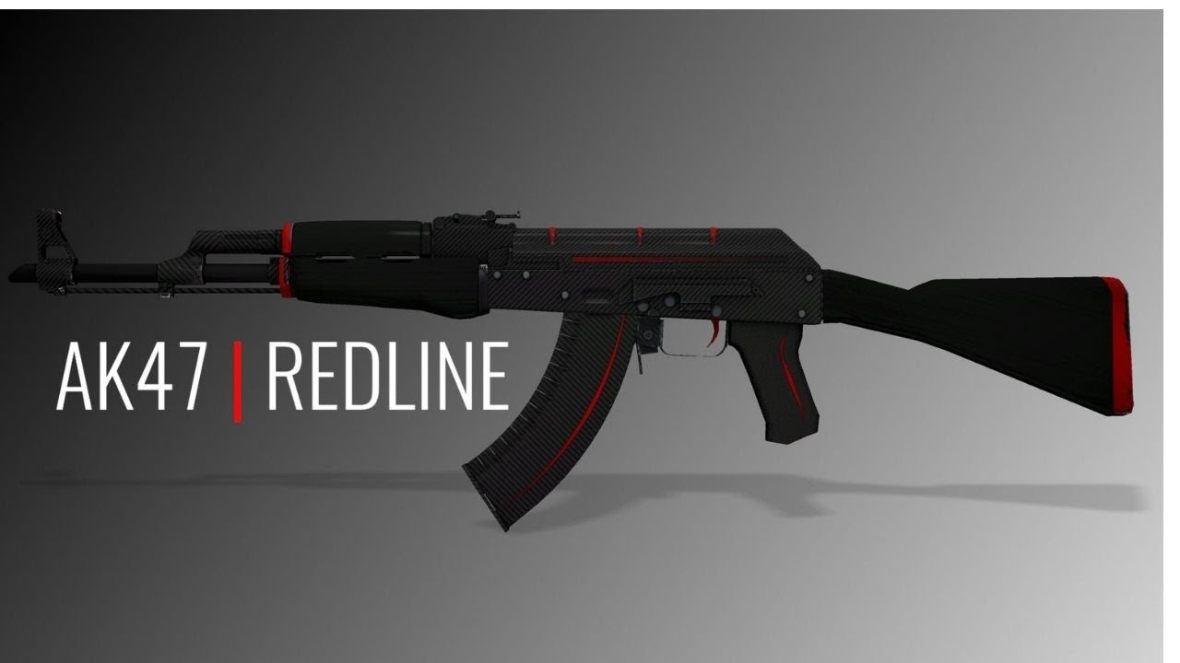
AK-47 | Redline
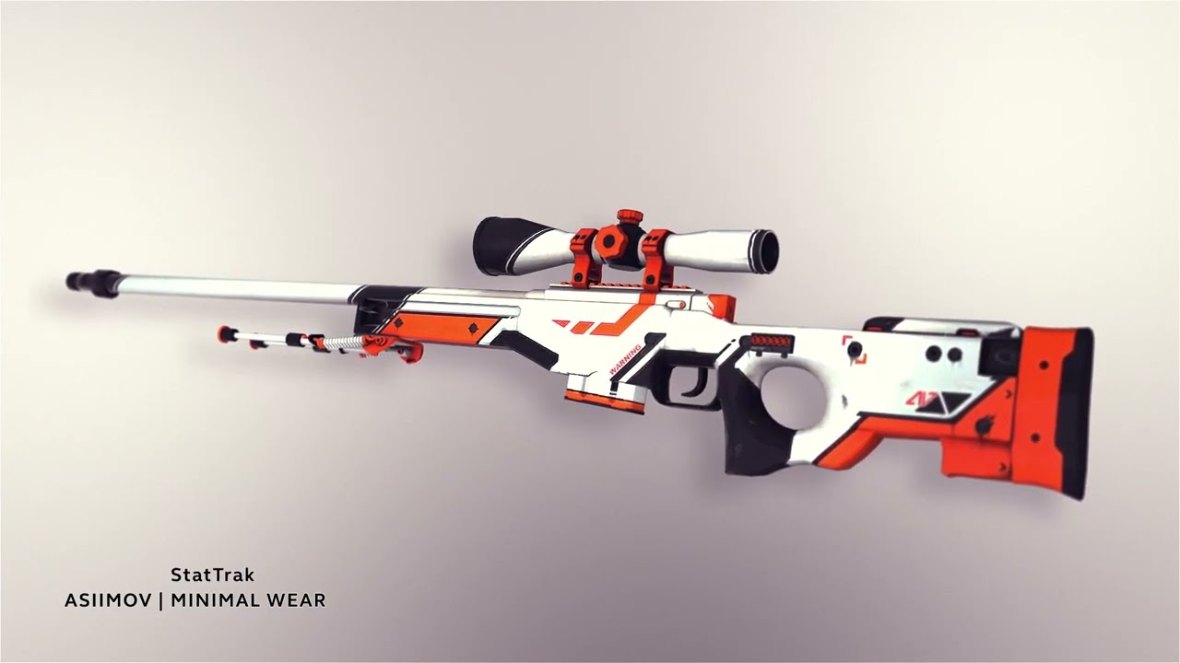
AWP | Asiimov
Prisma 2 Case
Operation Breakout Weapon Case
Gamma 2 Case
Rare collectibles like Kato 2014 sticker crafts or unusual Blue Gem patterns can also show large pricing differences, but they're significantly harder to value accurately and usually require expert knowledge.
How to Find Arbitrage Opportunities
Compare Multiple Markets
Never rely on a single marketplace.
Compare listings across several reputable trading platforms and look for consistent price gaps rather than isolated bargains.
Pay attention to:
Current listings
Recent sales
Buy orders
Available inventory
Selling speed
A cheap listing isn't necessarily a good deal if nobody is buying.
Study Market History
Historical charts reveal far more than today's lowest price.
Watch how skins behave during:
Major tournaments
Operation releases
Case discontinuations
Steam sales
Large game updates
Many items experience temporary spikes in demand during these periods.
Understand Float and Pattern
Not every Factory New skin is equal.
Float value can significantly affect pricing, especially for popular finishes.
Likewise, some patterns command collector premiums.
Examples include:
Doppler phase variations
Fade percentage
Case Hardened pattern/seed
Sticker placement
Low-float Factory New examples
Two seemingly identical skins may have very different market values.
Timing Matters
Buying low is only half the equation.
Selling at the right moment often determines whether a trade succeeds.
Demand frequently increases around:
CS2 Majors
BLAST events
ESL tournaments
New Operation announcements
Case removals from active drops
Market excitement can temporarily increase liquidity, making it easier to sell desirable items.
Pro tip: Don't rush every sale. Sometimes waiting a few weeks produces a better result than accepting the first available offer.
Risks of CS2 Case Arbitrage
Arbitrage isn't risk-free.
Here are the biggest challenges traders face.
Market Volatility
Skin prices can move unexpectedly after updates, balance changes, or community sentiment shifts.
Even popular items aren't immune.
Platform Restrictions
Different marketplaces have different withdrawal rules, trading delays, and verification requirements.
Understand each platform's policies before moving large inventories.
Liquidity
Some rare skins look profitable on paper but rarely sell.
Always ask yourself:
"Can I actually sell this?"
Profit means very little if the item remains unsold for months.
Scams
Private trades remain one of the biggest risks.
Avoid unofficial middlemen, suspicious offers, and requests to move conversations outside trusted platforms.
Useful Tools for Arbitrage Traders
Several resources make market research much easier.
| Tool | Purpose |
|---|---|
| Steam Community Market | Price history and activity |
| CSFloat | Float value, pattern checks, sales history |
| FloatDB | Pattern and float lookup |
| Steam Analyst | Market tracking |
| XE Currency Converter | Exchange rate comparison |
External resources:
Steam Community Market
CSFloat
XE Currency Converter
Practical Example
Imagine you find several Prisma 2 Cases listed below the average market price on one platform.
Instead of buying immediately, you compare:
Historical pricing
Current demand
Available supply
Marketplace fees
Recent sales
If the expected margin remains attractive after all costs, the trade may make sense.
If fees eliminate the difference, it's better to move on.
Successful arbitrage is often about avoiding bad trades rather than chasing every opportunity.
Is CS2 Case Arbitrage Worth It?
For traders who enjoy research and market analysis, CS2 case arbitrage can be a rewarding strategy.
It rewards discipline more than luck.
The most consistent traders spend far more time comparing listings, tracking demand, and calculating margins than actually buying skins.
Small profits compounded over many smart trades often outperform risky speculation.
Key Takeaways
CS2 case arbitrage relies on price differences between marketplaces.
Always calculate profit after platform and payment fees.
Liquidity matters just as much as purchase price.
Float, pattern, stickers, and rarity can significantly affect value.
Tournament seasons and major updates often create new trading opportunities.
Research consistently before committing to any purchase.
FAQ
What is CS2 case arbitrage?
CS2 case arbitrage is buying skins or cases on one marketplace where they're cheaper and selling them on another marketplace where demand or pricing is higher.
Is CS2 case arbitrage guaranteed to make money?
No. Markets change quickly, fees reduce margins, and some items may take a long time to sell.
Which skins work best for arbitrage?
Popular, liquid skins like AK-47 | Redline, AWP | Asiimov, and frequently traded cases are generally easier to move than rare collector pieces.
Does float matter in arbitrage?
Yes. Low-float versions, desirable Doppler phases, rare Case Hardened patterns, and premium sticker combinations can significantly affect resale value.
What are the biggest risks?
Market volatility, platform fees, poor liquidity, and scams are the main risks. Careful research and using reputable marketplaces help reduce them.
Where can I learn more about CS2 skin trading?
You may also find these guides useful:
[Placeholder: CS2 Skin Trading Guide → URL]
[Placeholder: How CS2 Float Values Work → URL]
[Placeholder: Best CS2 Cases to Invest In → URL]