
CS2 Case Trading: Buy Low, Sell High Strategies That Work
CS2 case trading looks simple on paper: buy cases when they're cheap and sell them when demand pushes prices higher. In practice, profitable trading depends on supply, liquidity, fees, Valve updates, and plenty of patience. A good trader isn't trying to predict every spike—they're looking for situations where the potential upside makes sense compared with the risk.
Featured Snippet: How Does CS2 Case Trading Work?
CS2 case trading involves buying Counter-Strike 2 cases or related items at one price and attempting to sell them later at a higher net price. Traders watch case supply, opening demand, active drop pools, market volume, Valve updates, and transaction fees. Profit only exists when the final sale value exceeds the purchase cost after all applicable fees.
| Factor | Why It Matters |
|---|---|
| Case supply | Scarcer supply can support long-term value |
| Opening demand | Popular case contents can keep buyers interested |
| Drop status | Changes to availability may affect supply |
| Liquidity | High volume generally makes entering and exiting easier |
| Marketplace fees | Directly reduce your actual profit |
| Valve updates | New cases or changes can rapidly move the market |
| Time horizon | Some trades take weeks or months to develop |
Note: Prices and liquidity change—check current offers at the time of reading.
Why CS2 Case Trading Is Different From Skin Trading
Cases and skins exist in the same economy, but they don't behave exactly the same way.
A skin can carry additional value because of float, wear tier, pattern/seed, StatTrak status, stickers, or special finishes. A Factory New skin with a desirable float may trade differently from the same skin in Minimal Wear, while certain Doppler phases or rare patterns can create additional premiums.
Cases are simpler individually. One standard Kilowatt Case is functionally identical to another Kilowatt Case. What matters is the market around it: how many are entering inventories, how many players want to open them, and how easily traders can buy or sell them.
Older containers such as the Operation Breakout Weapon Case illustrate another important factor: supply conditions can differ dramatically between old and currently abundant cases.
That makes CS2 case trading heavily dependent on market structure rather than individual item characteristics.
What Actually Moves CS2 Case Prices?
Supply and Drop Availability
Supply is one of the first things worth checking.
If a case is widely available through current drops, new units can continually enter the market. If its availability becomes more limited, that supply picture changes.
Don't assume that "old" automatically means "valuable," though. A case still needs buyers.
A container with shrinking supply but weak opening demand can remain stagnant for a long time.
Case Contents
Players don't buy cases just because they are boxes. They care about what's inside.
Weapon finishes, knives, gloves, and the overall popularity of a collection can influence opening demand. The Dreams & Nightmares Case, for example, contains a recognizable group of community-designed finishes and rare special items that give players a reason to keep opening it.
When evaluating a case, ask a simple question:
Would players still want to open this case if traders stopped talking about its investment potential?
If the answer is yes, that's a stronger demand signal than hype alone.
Valve Updates
Valve can change the CS2 economy quickly.
A new case release can redirect attention and opening volume. Changes to drops, collections, trade mechanics, or other parts of the item ecosystem can alter expectations almost overnight.
This is why buying purely because a price chart has been rising can be dangerous. Yesterday's trend may be based on conditions that no longer exist.
Market Liquidity
Price means little if you can't realistically sell at that price.
Look at transaction activity alongside the headline market value. A heavily traded case usually gives you more flexibility than an obscure item with a wide gap between buyers and sellers.
This becomes especially important when managing larger inventories.
CS2 Case Trading Strategy: Buying Low
"Buy low" doesn't mean buying whatever just crashed 20%.
A falling item can always fall further.
Instead, look for a combination of reasonable valuation, healthy liquidity, identifiable demand, and a supply situation you understand.
Study the Price History
Start with longer timeframes instead of staring at today's movement.
Look for:
Previous support and resistance areas
Sudden spikes followed by corrections
Changes in trading volume
Reactions to major CS2 updates
Longer periods of accumulation or stagnation
Unusual movements driven by speculation
Historical charts don't predict the future, but they help separate normal volatility from unusual activity.
[Placeholder: CS2 Market Trends → URL]
Compare Marketplaces
The same case can trade at different effective prices across marketplaces.
But the cheapest listing isn't automatically the best deal. Consider deposit costs, withdrawal rules, seller fees, currency conversion, liquidity, and whether the platform allows you to cash out in the way you need.
Your real acquisition cost matters more than the number displayed beside the item.
Avoid Buying Vertical Price Spikes
When a case suddenly explodes upward, FOMO arrives quickly.
That's usually the worst moment to stop doing research.
A sharp move can reflect legitimate new information, speculative buying, or a temporary liquidity imbalance. Buying after everyone else has already reacted leaves little room for error.
Pro tip: Write down why you're buying an item before purchasing it. If your only reason is "the chart is going up," you probably don't have a trade thesis yet.
How to Sell High Without Trying to Catch the Exact Top
Nobody consistently sells at the absolute peak.
You don't need to.
A better approach is deciding in advance what would make you sell.
Set a Target Before Buying
Suppose you believe a case is undervalued because its supply is tightening while opening demand remains healthy.
Define what invalidates that idea.
You might sell because:
The price reaches your target
The market becomes excessively speculative
Valve changes the relevant supply conditions
Opening interest appears to weaken
A better opportunity appears elsewhere
You need to reduce exposure
Having an exit plan makes it easier to avoid emotional decisions.
Consider Scaling Out
You don't necessarily need to sell an entire position at once.
If a case rises significantly, selling part of your inventory can lock in some gains while leaving the remainder exposed to further upside.
The same principle can work when buying. Instead of committing your entire budget at one price, you can build a position gradually.
Fees Can Destroy a Good CS2 Trade
This is one of the most important CS2 market tips for beginners.
Your chart can be correct and your trade can still lose money.
Suppose you buy an item, its displayed market value rises, and you immediately sell. Your actual return depends on marketplace fees and potentially other costs involved in moving funds.
Always calculate:
Net sale proceeds − total acquisition cost = actual profit or loss
Don't rely on old fee percentages from guides or forum posts. Marketplace fee structures can change, so verify current rates directly before trading.
[Placeholder: Steam Market Fees Explained → URL]
Building a Smarter Case Inventory
Putting your entire balance into one container turns a market opinion into a concentrated bet.
Diversification won't eliminate risk, but it can reduce your dependence on one specific outcome.
You might separate your inventory by thesis rather than simply owning random cases:
| Position Type | Goal | Main Risk |
| High-liquidity cases | Easier entry and exit | Smaller potential mispricing |
| Older cases | Long-term supply thesis | Capital may remain idle |
| Current cases | Shorter-term opportunities | Continuing supply |
| Event-related items | Demand around specific catalysts | Hype can disappear quickly |
| Skins | Different exposure from containers | Float/pattern valuation complexity |
This approach also makes it easier to understand why you own each item.
Cases vs Skins: Which Are Better for Trading?
Neither category is automatically better.
Cases are easier to compare because identical containers don't have float or pattern differences. That simplicity can make bulk trading easier.
Skins offer more opportunities for specialized knowledge.
Consider something like an AK-47 Case Hardened. Two examples with the same wear can have dramatically different collector appeal because the pattern seed changes the amount and placement of blue on the finish.
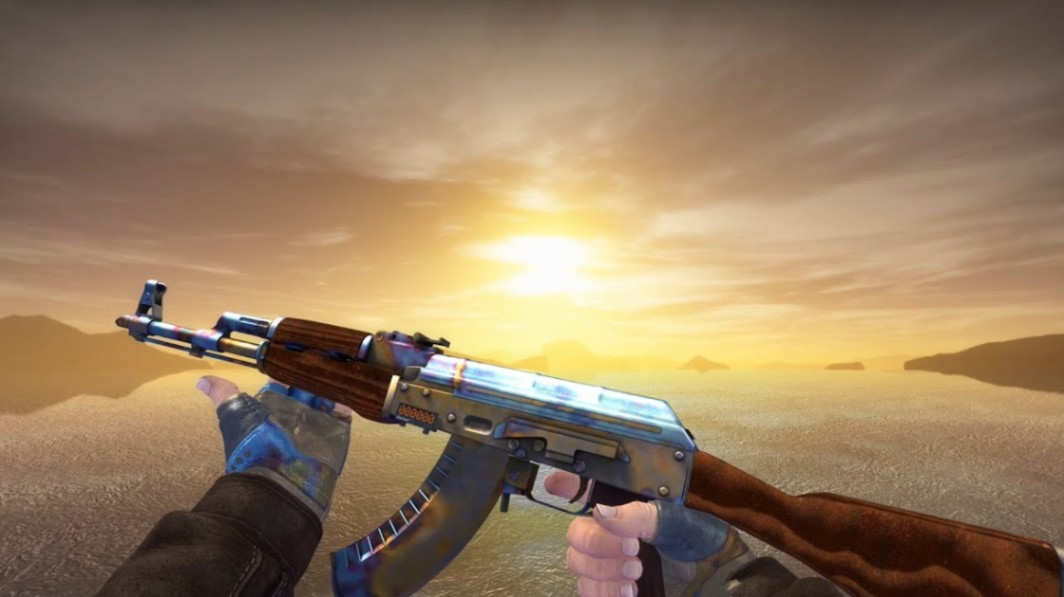
Stickers add another layer. A skin carrying desirable holo or foil stickers—especially historically important pieces such as Katowice 2014 stickers—cannot be valued accurately using only the base skin's market price.
Cases require market knowledge. High-end skins often require market knowledge plus item-specific expertise.
Common CS2 Case Trading Mistakes
Buying Because Something Is "Rare"
Scarcity alone doesn't guarantee demand.
An item can be difficult to obtain and still attract few buyers.
Look for the combination of limited supply and persistent demand.
Ignoring Liquidity
An impressive listed price isn't useful if buyers aren't paying it.
Check actual trading activity whenever possible.
Chasing Social Media Hype
Reddit, Discord, YouTube, X, and trading communities can help identify developments quickly. They can also amplify speculation.
Treat community discussion as a signal to investigate—not proof that you should buy.
Using Money You Can't Afford to Lock Up
Some market ideas take much longer to play out than expected.
If you may need the money soon, tying it up in speculative digital items creates unnecessary pressure to sell at a bad time.
Forgetting Account Security
Trading profitability means nothing if your inventory gets stolen.
Use Steam Guard, carefully verify trade offers, avoid suspicious login pages, and never trust someone simply because their profile looks legitimate.
[Placeholder: CS2 Trading Scam Prevention → URL]
CS2 Market Tips for Finding Opportunities
Good opportunities often appear when something changes.
Watch for new case releases, changes in drop availability, major game updates, operation-related content, and shifts in player interest.
But separate the event from the investment thesis.
A tournament doesn't automatically make unrelated cases more valuable. A popular player using a skin doesn't guarantee permanent demand. And a discontinued source doesn't guarantee immediate appreciation.
The useful question is always:
How does this event change supply or genuine buyer demand?
If you can't answer that, you're probably speculating on sentiment.
A Simple CS2 Case Trading Checklist
Before buying a case, check:
Supply: Where are new units currently coming from?
Demand: Why are players buying or opening it?
Liquidity: Can you realistically sell your position?
History: Is today's price unusual compared with longer-term behavior?
Catalyst: Is there a specific reason the market could reprice it?
Fees: What price do you need just to break even?
Risk: What would prove your original thesis wrong?
Exit: When will you take profit or cut the position?
If several answers are unclear, waiting is also a trading decision.
Where to Track the CS2 Market
The Steam Community Market remains an important reference because of its direct connection to the Steam ecosystem. Third-party marketplaces and price-tracking services can provide additional information about cash-market pricing and liquidity.
Don't treat one marketplace as the universal "correct" price.
Steam balance, cash-market value, instant-sale offers, and peer-to-peer listings can represent different types of value. Always compare like with like when calculating potential returns.
[Placeholder: Best CS2 Market Tracking Tools → URL]
Key Takeaways
CS2 case trading depends on supply, demand, liquidity, timing, and fees—not simply buying old cases.
Research the reason behind a price move before committing money.
Case contents matter because opening demand supports the underlying market.
Calculate profit using net proceeds after fees rather than headline market prices.
Avoid FOMO after sudden spikes and build an exit strategy before buying.
Valve updates can rapidly change assumptions about case supply and demand.
FAQ
Is CS2 case trading profitable?
It can be profitable, but there is no guaranteed return. Case prices can rise or fall depending on supply, opening demand, Valve decisions, broader player activity, and speculation. Fees also reduce returns.
What are the best CS2 cases to invest in?
There is no permanently "best" case. Look for containers with understandable supply conditions, consistent demand, reasonable liquidity, and a valuation that fits your risk tolerance. Avoid choosing cases purely because influencers expect them to rise.
Should I trade CS2 cases or skins?
Cases are generally easier to compare because individual units are identical. Skins can offer more complex opportunities involving float, wear, pattern seeds, StatTrak, stickers, and special finishes, but they require more valuation knowledge.
When should I sell CS2 cases?
Consider selling when your original target is reached, your investment thesis changes, market conditions become excessively speculative, or new information affects supply or demand. Trying to identify the exact market top is rarely realistic.
Do CS2 cases always increase in value over time?
No. Reduced supply can support appreciation, but demand still matters. Some cases may stagnate or decline, and Valve can introduce changes that affect market expectations.
What is the most important CS2 market tip for beginners?
Calculate the complete trade before buying. Know your acquisition cost, expected selling fees, realistic exit price, liquidity, and what would make you abandon the trade. Successful CS2 case trading starts with risk management, not price predictions.