
CS2 Skin Market Trends: What Shapes Prices in 2026
The CS2 skin market is driven by something more concrete than buzzwords: supply, collector demand, visual appeal, float, pattern rarity, stickers, case availability, and changes to Counter-Strike 2 itself. Prices can move quickly, but understanding these fundamentals makes it easier to separate genuine market signals from short-lived hype.
Featured Snippet
The CS2 skin market is primarily influenced by item scarcity, case and collection supply, player demand, float values, rare patterns, stickers, esports exposure, and Valve updates. Older discontinued items can behave differently from actively supplied skins, while rare knives, gloves, desirable crafts, and low-float examples often have their own collector-driven markets.
What Drives the CS2 Skin Market?
CS2 cosmetics are not interchangeable assets. Two copies of the same weapon finish can have very different collector appeal depending on wear, float, pattern seed, stickers, and other characteristics.
That makes the market more complicated than simply checking the average price of a skin.
A Factory New AK-47 with an unusually low float, for example, may attract a different buyer from someone looking for the cheapest playable version. Pattern-dependent finishes can go even further, with particular seeds carrying collector premiums.
The same applies to stickers. An older or desirable holo craft can dramatically change how buyers evaluate an otherwise ordinary skin.
Supply Matters More Than Hype
One of the most useful questions is simple: where does new supply come from?
Items from actively opened cases can continue entering the market. Older collections, discontinued cases, operation items, and certain tournament-related cosmetics may have much more restricted supply.
That doesn't guarantee appreciation. Scarcity only matters when buyers still want the item.
A rare skin with weak demand can remain difficult to sell, while a widely available skin with strong play demand can generate substantial trading activity.
[Placeholder: CS2 Cases Guide → URL]
CS2 Skin Market Trends Worth Watching
1. Older Cases and Collections
Legacy supply remains one of the most important areas to watch.
As cases become less accessible through normal distribution, opening them becomes progressively dependent on existing inventories. That can affect both the case itself and desirable finishes obtainable from it.
The Operation Breakout Weapon Case is a useful example because it is associated with Butterfly Knives, one of Counter-Strike's most recognizable knife families.
Collections work differently from cases but can show similar scarcity dynamics. Items tied to discontinued operations or old map collections may have limited paths for additional supply.
2. Float Is Becoming More Important at the Collector Level
Wear tiers—Factory New, Minimal Wear, Field-Tested, Well-Worn, and Battle-Scarred—provide the basic condition categories. Serious collectors often look deeper.
Float can matter substantially within the same wear tier.
A very low-float Factory New example can command extra attention, particularly when collectors compete for rankings or unusually clean appearances. At the opposite end, extremely high-float skins can sometimes develop their own niche demand.
But low float does not automatically make every skin valuable. The underlying finish still needs demand.
Pro tip: Compare similar floats and patterns rather than using the cheapest listing of the same skin as your only reference.
3. Pattern Seeds Create Markets Inside Markets
Some finishes are heavily pattern-dependent.
Case Hardened skins are the obvious example. Certain seeds with unusually large amounts of blue can receive major collector premiums compared with ordinary patterns.
Fade percentages, Doppler phases, and other appearance variations can also influence demand.
This means the Steam Market price or a generic marketplace average may not tell the whole story. Rare-pattern items often require individual evaluation.
[Placeholder: CS2 Pattern and Seed Guide → URL]
4. Stickers Still Matter
Sticker collecting remains closely connected to the wider skin economy.
Older tournament stickers—especially famous collections such as Katowice 2014—occupy a very different segment from ordinary modern stickers. Holo effects, team popularity, supply, placement, and the underlying weapon can all affect a craft's appeal.
However, sticker value should not simply be added to the base skin price.
A valuable sticker applied to an undesirable weapon or placed awkwardly may recover only part of its standalone market value. Attractive crafts on popular skins can behave very differently.
Esports Can Influence Demand—But Be Careful With Hype
Professional Counter-Strike has always influenced cosmetic tastes.
A memorable weapon used by a star player, a distinctive sticker craft seen during a major tournament, or renewed interest in a team can push more players toward particular cosmetics.
Major tournaments also create their own market activity through stickers, souvenir packages, and team/player-related collecting.
But esports attention is difficult to price.
A sudden spike in popularity does not necessarily translate into sustainable long-term demand. Once the tournament or viral moment passes, speculative buyers may disappear just as quickly.
Valve Updates Are the Biggest Wild Card
No analysis of the CS2 skin market is complete without Valve.
Changes to cases, collections, trade mechanics, item generation, Armory content, or the presentation of skins can alter supply and demand with little warning.
That creates an unusual risk compared with traditional collectibles: the market operates inside an ecosystem whose rules are controlled by the game's developer.
A skin can have strong historical demand and still react sharply when Valve changes an associated mechanic or introduces competing content.
For that reason, past price performance should never be treated as proof of future appreciation.
Cases vs. Skins vs. Stickers
| Category | Main Value Drivers | Main Risks |
|---|---|---|
| Weapon skins | Demand, supply, float, pattern, appearance | New alternatives, changing demand |
| Knives & gloves | Finish, pattern, wear, model popularity | High entry cost, thinner liquidity |
| Cases | Existing supply, opening demand, contained items | Supply changes, speculation |
| Stickers | Rarity, team/player legacy, visual appeal | Craft premiums can be subjective |
| Souvenirs | Event provenance, stickers, weapon/finish | Niche buyer pool |
| Rare patterns | Seed rarity and collector demand | Difficult valuation and liquidity |
What About AI, NFTs, and Blockchain?
Claims that blockchain, NFTs, or AI trading systems are becoming core parts of the CS2 economy should be treated cautiously.
CS2 skins themselves are Steam inventory items. They do not require blockchain technology to establish ownership, and supposed "NFT-linked CS2 skins" should not be confused with official Valve-issued cosmetics.
Likewise, no trading tool can reliably guarantee profitable flips.
Automated tools can help aggregate listings, compare historical prices, calculate spreads, or identify unusual items. They cannot remove market risk or predict future prices with near-perfect accuracy.
The practical technology story is therefore less dramatic: better databases, marketplace comparison tools, inventory analysis, and increasingly sophisticated price tracking can help traders process information faster.
They don't make bad trades risk-free.
What Could Shape the CS2 Skin Market Next?
Supply Changes
Watch what Valve does with case drops, collections, Armory content, and future operations. A change in supply mechanics can quickly alter the assumptions behind a trade.
Collector Demand
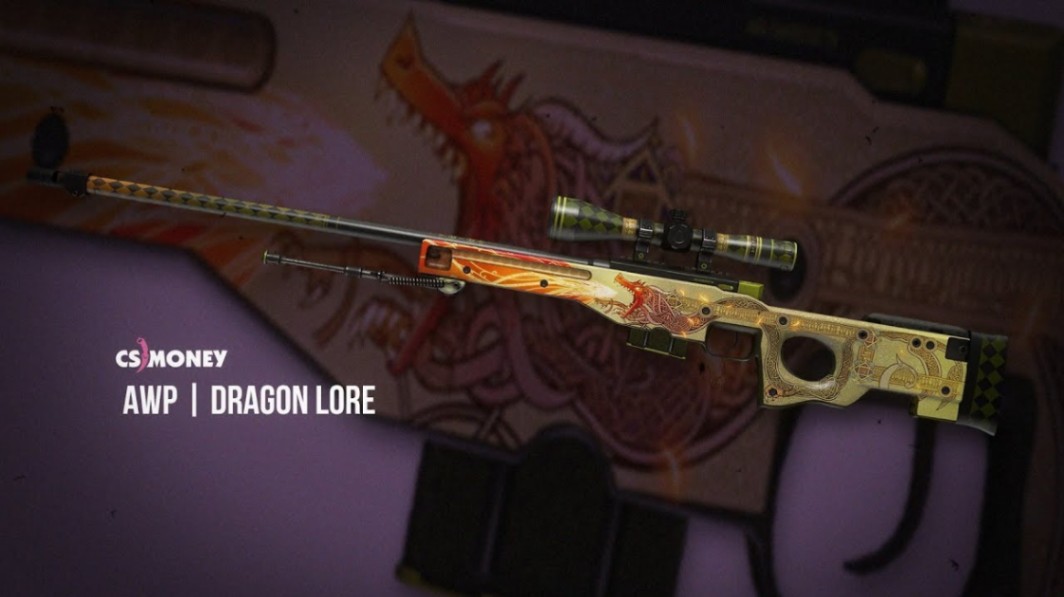
Iconic finishes have an advantage because their demand has survived multiple eras of Counter-Strike.
The AWP | Dragon Lore is a classic example. Its reputation comes from its history, appearance, rarity, and collector status—not from a speculative blockchain narrative.
New Content
A successful new case or collection can redirect attention and liquidity toward recently released cosmetics.
New items can also compete with older skins at similar price points. That matters because buyers have limited budgets.
Rare Patterns and Premium Floats
As the market becomes more sophisticated, specialized collectors may continue focusing on attributes beyond the skin name: pattern seed, float ranking, sticker combinations, and unusual wear.
These items require more research because standard price charts often fail to capture their individual characteristics.
Liquidity Matters as Much as Price
A skin being listed at a huge price does not mean someone will actually buy it for that amount.
This distinction becomes especially important with rare patterns, expensive sticker crafts, low-float collectibles, and other one-of-a-kind combinations.
Ask three separate questions:
What are sellers asking?
What have comparable items actually sold for?
How many buyers exist around that price?
A liquid item with hundreds of comparable trades is easier to price than a unique collector piece that changes hands once every few months.
Major Risks in CS2 Skin Trading
Volatility
Skin prices can rise and fall rapidly. Updates, case releases, market sentiment, esports events, and broader changes in Counter-Strike activity can all affect demand.
Scams and Account Security
Phishing pages, fake trading websites, impersonation, and fraudulent trade offers remain serious risks.
Never treat a site's professional appearance as proof that it is legitimate. Verify domains carefully and review every Steam trade before confirming it.
[Placeholder: CS2 Trading Security Guide → URL]
Fees and Spreads
Buying at one price and seeing a higher listing elsewhere does not necessarily mean a profitable arbitrage exists.
Marketplace fees, withdrawal costs, currency conversion, and the difference between asking prices and executable prices can erase the apparent margin.
Poor Liquidity
Expensive does not mean liquid.
High-tier collector pieces can require patience, especially when their premium depends on a specific float, pattern, or sticker combination.
A More Practical Approach to the CS2 Skin Market
Instead of trying to predict an exact future price, build a thesis around observable factors.
Check whether supply is still increasing. Look at sales rather than only listings. Compare the same wear tier and similar floats. Research pattern premiums separately. Understand why collectors want the item.
Most importantly, distinguish between collecting and investing.
Buying an M4A1-S skin because you enjoy using it is different from buying multiple copies because you expect demand to increase. The second decision requires a much stronger case for future buyers and liquidity.
Note: Prices and liquidity change—check current offers at the time of reading.
Key Takeaways
The CS2 skin market is primarily driven by supply, demand, rarity, float, patterns, stickers, and Valve's decisions.
Blockchain and NFTs are not fundamental requirements for ownership of official CS2 skins.
Rare floats and pattern seeds can create significant premiums, but those premiums depend on collector demand.
Esports exposure can boost attention, although tournament-driven hype may be temporary.
Actual sales and liquidity matter more than ambitious marketplace listings.
Exact price forecasts should be treated cautiously because Valve updates and market sentiment can rapidly change conditions.
FAQ
What determines the price of a CS2 skin?
Supply and demand provide the foundation, but condition, float, pattern seed, StatTrak availability, stickers, weapon popularity, and the skin's source can all affect its market value.
Are CS2 skins NFTs?
No. Official CS2 skins are Steam inventory items and do not require NFT or blockchain technology for ownership or trading within Valve's ecosystem.
Does a lower float always make a CS2 skin more valuable?
Not always. Extremely low floats can attract premiums, particularly on desirable skins, but demand for the underlying finish remains essential. A low float alone does not guarantee a valuable item.
Why are some CS2 patterns so expensive?
Certain pattern seeds produce particularly desirable appearances. Case Hardened "Blue Gem" patterns are a well-known example. Their premiums depend on rarity, appearance, weapon type, and collector demand.
Are old CS2 cases worth watching?
Older cases can be interesting because their available supply and distribution may differ substantially from newer cases. However, scarcity alone does not guarantee price growth; opening demand and interest in the contained skins also matter.
Can CS2 skin prices be accurately predicted?
Exact forecasts are unreliable. Historical prices, supply trends, trading volume, and comparable sales can provide useful context, but Valve updates, player demand, and broader market sentiment can change quickly.