
CS2 Skin Trading Bots: Pros, Cons, Risks, and Safe Trading
CS2 skin trading bots can make buying, selling, and monitoring skins much faster. Instead of checking listings manually all day, automated tools can track markets, send price alerts, or process trades around the clock. That convenience is useful, but giving automation access to valuable skins also creates security, pricing, and account risks that every trader should understand.
Featured Snippet: What Are CS2 Skin Trading Bots?
CS2 skin trading bots are automated tools that assist with skin transactions or market monitoring. Depending on the service, a bot may send trade offers, track listings, compare prices, manage inventory, or alert users when a skin matches predefined conditions.
| Bot function | What it does | Main risk |
|---|---|---|
| Trade automation | Sends or accepts trade offers | Wrong or malicious trade |
| Price monitoring | Tracks skin listings | Bad or outdated pricing data |
| Deal alerts | Flags potentially cheap skins | False positives |
| Inventory management | Handles multiple items | Excessive account permissions |
| Auto-listing | Lists skins for sale | Incorrect pricing |
| Bulk trading | Processes many skins quickly | Mistakes scale quickly |
Automation saves time. It does not remove the need to verify trades yourself.
How Do CS2 Skin Trading Bots Work?
Not every tool described as a “trading bot” does the same thing.
Some marketplace bots act as intermediaries. You send a skin to a bot-controlled Steam account, and the platform credits your account or completes another part of the transaction. Other services simply monitor public market data and notify you when something interesting appears.
More advanced tools may automate repetitive actions such as:
Monitoring listings across supported marketplaces
Comparing asking prices
Sending price alerts
Processing multiple trade offers
Managing larger inventories
Identifying listings that meet specific filters
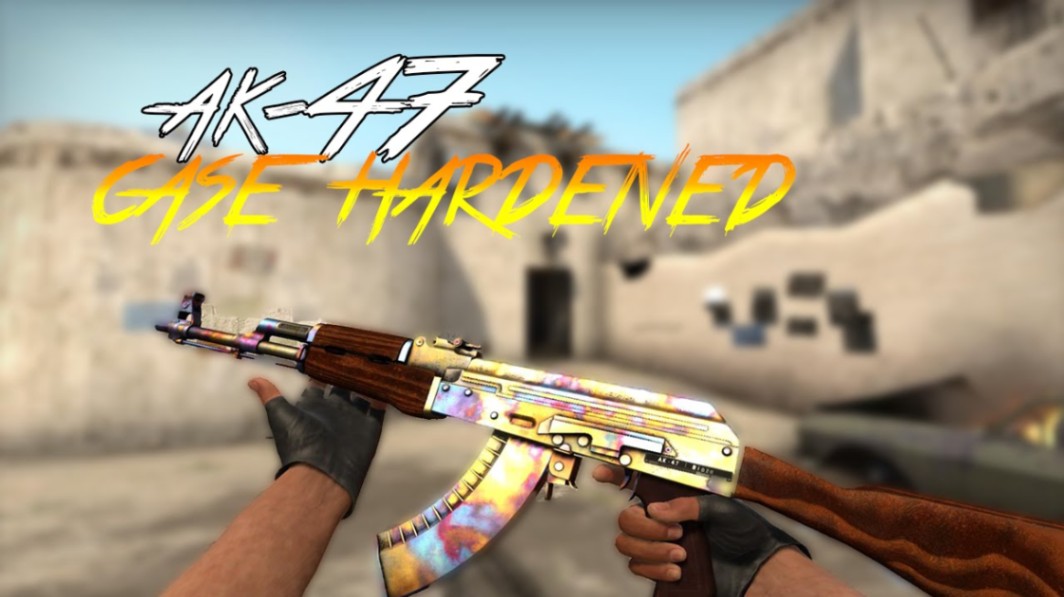
A trader looking for an AK-47 | Case Hardened, for example, may care about far more than the weapon name and wear tier.

Pattern seed, float, StatTrak status, and sticker combinations can dramatically affect desirability.
That is where automation becomes less reliable. A bot may understand a price threshold while missing why one specific item deserves a premium.
Pros of CS2 Skin Trading Bots
1. Faster Trading
Speed is the obvious advantage.
A bot can monitor listings continuously and react much faster than someone manually refreshing marketplace pages. That can be useful in highly liquid parts of the skin market where attractive listings disappear quickly.
Automation is particularly useful for repetitive tasks rather than complicated collector items.
2. 24/7 Market Monitoring
The CS2 economy never follows your sleep schedule.
Automated monitoring tools can watch markets while you're offline and alert you when an item reaches your preferred price or a new listing appears.
You don't necessarily need to give a bot trading permissions to benefit from automation. Price alerts and watchlists are often the lower-risk option.
3. Easier Inventory Management
Managing five skins manually is easy. Managing hundreds is different.
For larger inventories, automated tools can help organize listings, compare prices, and identify items that require attention.
This becomes especially useful when an inventory contains many relatively liquid items from cases such as the Kilowatt Case or Revolution Case rather than a handful of unusual collector pieces.
4. Less Emotional Trading
Skin markets can encourage impulsive decisions.
A trader sees prices moving and suddenly wants to buy before they “miss the opportunity.” Automated rules can reduce that behavior by sticking to predetermined criteria.
The important part is setting sensible criteria in the first place.
5. Efficient Bulk Operations
Automation can save significant time when handling many similar items.
Instead of pricing dozens of skins individually, supported tools may help streamline repetitive listing or inventory-management tasks.
However, bulk automation cuts both ways: one bad setting can create dozens of bad transactions instead of one.
Cons of CS2 Skin Trading Bots
1. Fake Trading Bots and Impersonators
This is the biggest reason to be cautious.
Scammers can impersonate legitimate marketplace bots, send fake trade offers, create phishing pages, or pretend that additional “verification” is required.
A familiar avatar or account name proves very little. Always verify the actual trade offer and account through the service you're using.
Never provide your Steam password, Steam Guard code, recovery information, or session credentials to a random bot.
2. Bots Can Misprice Special Skins
A basic pricing algorithm may work reasonably well for ordinary liquid skins. Collector items are harder.
Consider an AK-47 | Case Hardened. Two examples with the same wear can have completely different collector appeal because of their pattern seeds.
The same problem appears with:
Rare floats
Desirable pattern seeds
StatTrak variants
Doppler phases
Rare sticker combinations
Kato 2014 crafts
Scraped or unusually positioned stickers
An automated system may value the base skin correctly while badly underestimating everything attached to it.
Pro tip: Manually price-check rare patterns, exceptional floats, expensive sticker crafts, and high-tier Dopplers before accepting an automated offer.
3. Account and API Risks
Third-party automation can require permissions or account interaction that you should understand before using it.
Avoid unknown software that asks for unnecessary access, credentials, browser data, or authentication information. Also check the current Steam rules and the terms of any marketplace you're using before running third-party automation.
[Placeholder: Steam Account Security → URL]
4. Pricing Data Can Be Misleading
Bots depend on data, and market data isn't automatically good data.
A thinly traded skin may have a high asking price without actual buyers at that level. A temporary spike can also distort automated estimates.
This distinction matters:
Listing price ≠ sale price ≠ cash value ≠ instant-sale value.
Liquidity should always be part of the calculation.
5. Automation Scales Mistakes
Imagine accidentally configuring an auto-listing tool below your intended minimum.
With one skin, you have one problem. With 100 skins, you potentially have 100 problems.
Automation should therefore include sensible limits, manual approval for expensive items, and clear rules about which skins the system can touch.
CS2 Skin Trading Bots vs Manual Trading
Neither approach wins in every situation.
| Situation | Bot/automation | Manual trading |
|---|---|---|
| Tracking many standard skins | Excellent | Time-consuming |
| Price alerts | Excellent | Inefficient |
| Routine inventory management | Good | Good |
| Rare pattern valuation | Risky | Better |
| High-value sticker crafts | Risky | Better |
| Float-sensitive collector skins | Limited | Better |
| Bulk operations | Excellent | Slow |
| Final high-value trade verification | Not recommended alone | Essential |
The strongest setup is usually automation for repetitive work and manual verification for valuable decisions.
How to Use CS2 Skin Trading Bots Safely
Verify the Service First
Don't trust a bot because somebody sent you a link through Discord, Steam chat, Telegram, or another messaging service.
Navigate to the marketplace through a known official address and initiate transactions from there.
Check:
Whether the service clearly explains how its bot works
What account permissions it requires
Whether the trade appears inside your legitimate account
Whether the Steam account in the offer matches the one shown by the platform
Never Share Authentication Credentials
A trading service should not need you to send your Steam Guard authentication code to another person.
Treat unexpected login requests, QR codes, browser extensions, “verification” pages, and requests for recovery information as warning signs.
[Placeholder: CS2 Trading Scam Guide → URL]
Check Every Trade Offer
Before confirming, inspect the offer itself.
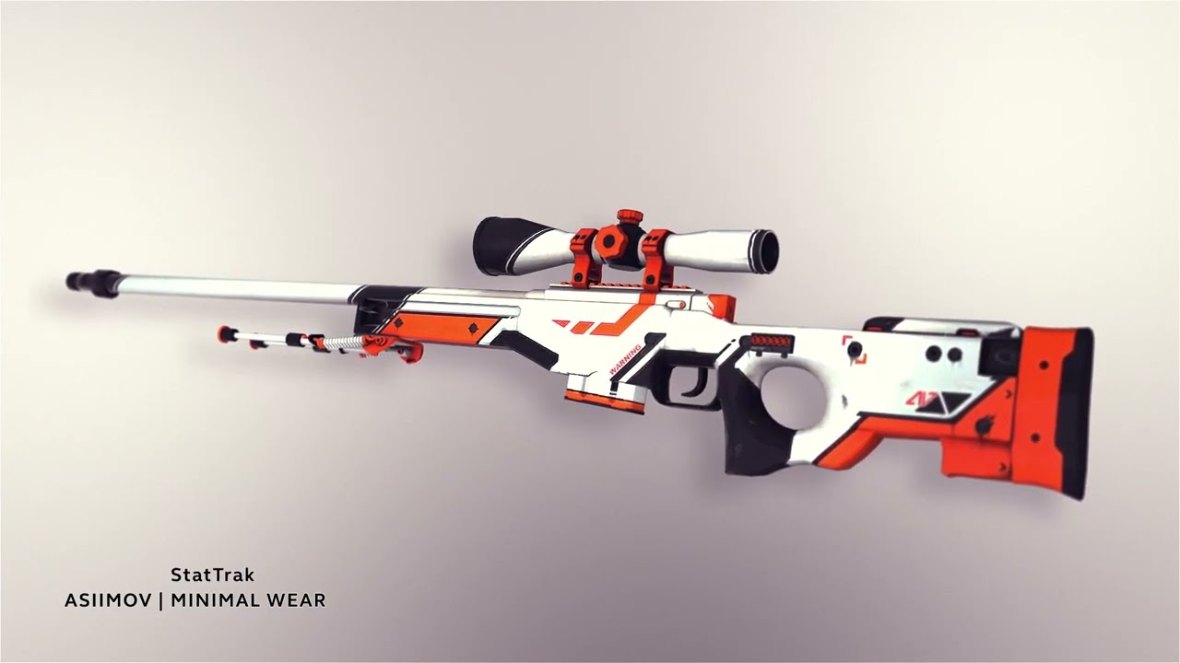
Make sure the correct skin is present and verify important characteristics such as wear, StatTrak status, and any valuable stickers.
For something like an AWP | Asiimov, wear matters. For patterned finishes and sticker crafts, you may need to check considerably more.
Start Small
If you're trying an unfamiliar automated system, don't make your most valuable skin the test transaction.
Start with an inexpensive, liquid item and confirm that deposits, withdrawals, trade offers, and account balances behave exactly as expected.
Keep Expensive Items Out of Full Automation
A bot may be perfectly adequate for ordinary market skins while being a poor choice for a rare collector piece.
Manually review items with unusual:
Pattern seeds
Floats
Sticker crafts
Doppler phases
Souvenir combinations
StatTrak premiums
The more unusual the skin, the less you should rely on a generic price model.
Can Trading Bots Find Underpriced CS2 Skins?
They can find listings that appear underpriced according to their data. That's not the same as finding guaranteed profit.
A cheap listing could reflect low demand, poor liquidity, an unusual float, an undesirable pattern, or a broader market movement.
There is another problem: if an obvious opportunity can be detected automatically, other traders and automated systems may be looking for exactly the same thing.
Speed helps, but valuation still matters.
Are CS2 Skin Trading Bots Allowed?
There isn't one universal answer covering every bot, marketplace, and type of automation.
Steam has rules governing accounts, trading, and automated access, while individual marketplaces have their own terms and supported functionality. A marketplace's official trading infrastructure is very different from running unknown third-party software that automates account activity.
Before using any external automation, check the current rules for both Steam and the marketplace involved.
[Placeholder: Steam Trading Rules → URL]
What Should a Good Trading Tool Actually Do?
For most players, the safest automation isn't a bot with complete control of the inventory.
Useful features include watchlists, price comparisons, inventory analytics, sale notifications, and configurable alerts. These tools reduce repetitive work while leaving the final transaction in your hands.
That balance becomes increasingly important as the value or rarity of a skin increases.
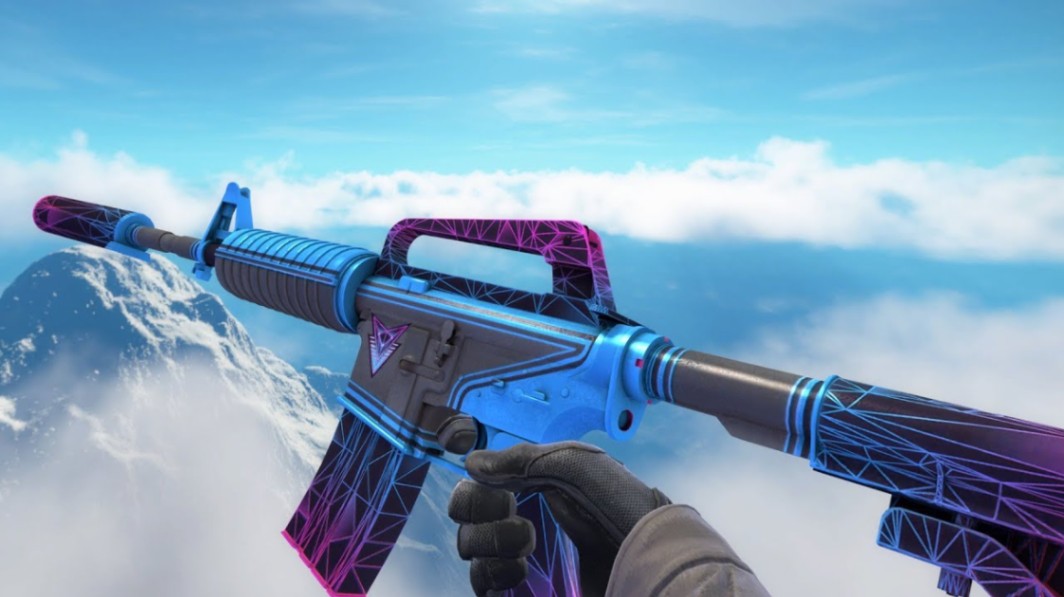
A regular M4A1-S | Decimator may be straightforward to compare across listings. An unusual Case Hardened pattern or an old Kato 2014 craft needs specialist valuation.
The Future of CS2 Skin Trading Automation
Automation will probably become better at recognizing attributes beyond simple wear and market averages.
More sophisticated valuation systems can potentially account for float ranges, pattern seeds, sticker placement, historical transactions, liquidity, and other variables simultaneously.
But better software won't eliminate risk. Scammers can also automate phishing, impersonation, and fraudulent trade offers.
The safest principle is unlikely to change: use automation to process information, not to replace judgment.
Key Takeaways
CS2 skin trading bots can automate monitoring, alerts, inventory management, and some transactions.
Bots are strongest when handling repetitive tasks and relatively standard, liquid skins.
Rare patterns, special floats, Doppler phases, and expensive sticker crafts deserve manual valuation.
Never give an unknown bot your Steam credentials, Steam Guard codes, or recovery information.
Verify the Steam account and every item before confirming a trade.
Use manual approval for high-value transactions, even when the rest of your workflow is automated.
Prices and liquidity change—check current offers at the time of reading.
FAQ
Are CS2 skin trading bots safe?
Some legitimate marketplaces use automated accounts as part of their trading infrastructure, but fake bots and impersonators are common scam methods. Verify the service and trade account independently before sending skins.
Can CS2 trading bots make money automatically?
They can automate tasks and identify listings that meet predefined conditions, but they cannot guarantee profit. Fees, liquidity, market movements, and incorrect valuations can turn an apparently profitable trade into a loss.
Can a trading bot correctly value rare CS2 skins?
Not always. Automated pricing becomes less reliable for skins whose value depends heavily on pattern seed, exceptional float, Doppler phase, StatTrak status, or expensive sticker crafts.
Should I use bots for expensive CS2 skins?
Manual verification is safer for high-value or unusual items. Automation can help gather pricing information, but the final valuation and trade confirmation should receive human review.
How can I spot a fake CS2 trading bot?
Be suspicious of unsolicited trade offers, requests for Steam credentials or authentication codes, unexpected QR codes, verification payments, and accounts that cannot be confirmed through the platform's official interface.
What is the best use for CS2 skin trading bots?
The strongest use case is automating repetitive work: monitoring listings, setting alerts, comparing prices, and organizing inventories. For CS2 skin trading bots, convenience is valuable, but control over important transactions is even more valuable.