
Dream Teams in CS2: Fan Lineups vs Real Pro Rosters
Why Fan CS2 Lineups Look Great (But Don’t Work)
Build a team with s1mple, ZywOo, m0NESY, NiKo, and ropz and it sounds unstoppable. The raw aim, clutch potential, and highlight reel plays would melt Twitch chat.
But in a real server? That’s five heavy hitters fighting over space, not winning rounds. Everyone wants to call, no one wants to drop the AK, and you’ve got three AWPers in one lineup.
Pro tip: More firepower doesn't mean more wins—especially when no one’s flashing for each other.
Real CS2 Teams Win with Roles, Not Just Stars
Look at FaZe 2022 or Vitality’s 2023 rebuild. They weren’t just star-stacked—they were built like working machines. You had a fragging core, a calm IGL like karrigan or apEX, and underrated support anchors like Magisk or rain. The difference? Each piece had a purpose.
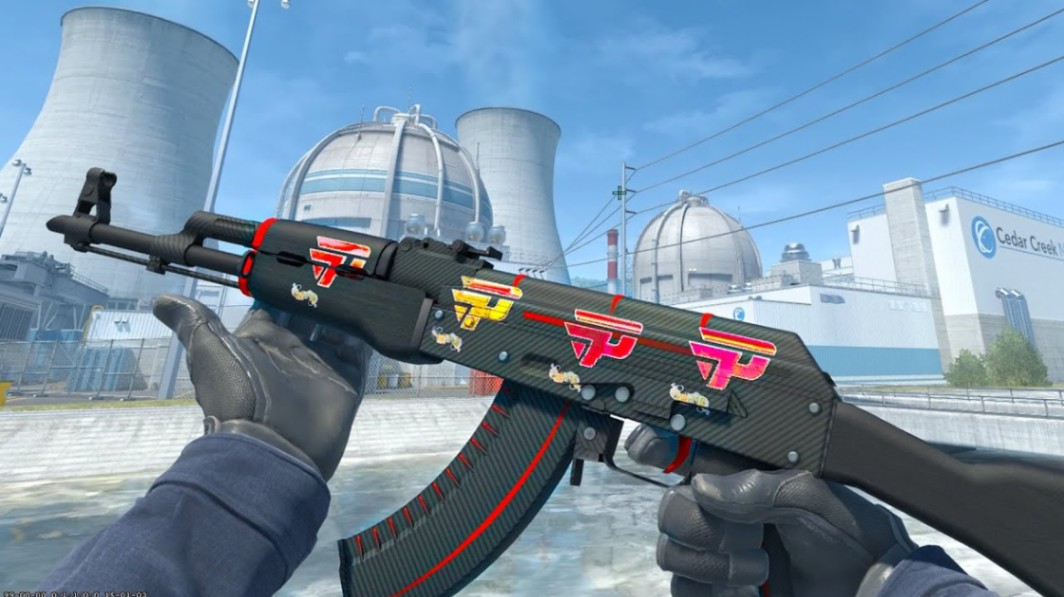
Just like a well-worn AK-47 | Redline (FT) gets the job done, even if it’s not a StatTrak factory new showpiece, real rosters rely on consistency over flair.
What Fans Overlook When Picking Dream Teams
Too often, fantasy rosters are made from peak highlight clips, not real data. No one adds a SANJI, interz, or Perfecto to their lineup—but ask their teammates, and they’ll tell you those guys win games.
These are the players who eat flashbangs, drop guns, and anchor B without complaint. They don’t farm YouTube clips—but they let stars shine.
Same goes for role overlaps. A team of five riflers doesn’t work without someone calling the shots or baiting utility.
Ego Is the Hidden Boss Fight
Even if the mechanics match, personalities don’t always mesh. Who takes the last round clutch? Who plays support on Mirage? Who gets to AWP on T-side? Mix five high-ELO egos, and you’ve got more tension than a Doppler Phase 1 vs Phase 4 debate.
It’s not just skill—it’s sacrifice, structure, and synergy.
Building a Real Dream Team in CS2
If you're crafting a CS2 dream team that could actually win a Major, think beyond raw fraggers. Start with an IGL who commands respect, add a solid entry, a smart support, and one or two clutch gods. That’s how FaZe, NAVI, and Astralis built their legacies.
Think more “fit” than “flex.” A well-rounded team with clear roles beats a frag movie fantasy every time.
Want to see balance in action? Check out rosters like MOUZ or ENCE—they’re often undervalued in fan polls but constantly overperform.
Key Takeaways
-
Stacking stars doesn’t win trophies—teamplay and structure do
-
Dream rosters often lack support roles, utility work, and chemistry
-
Real CS2 teams balance roles: IGL, entry, support, anchor, star
-
Underappreciated players like SANJI and Perfecto enable success
-
Ego management is critical in high-skill environments
-
Highlight clips ≠ sustainable wins
FAQ
Why don’t CS2 dream teams with all star players work?
Because roles overlap, egos clash, and there’s often no support structure. Real teams need balance, not just aim.
What makes a CS2 team successful at the top level?
A mix of skill, role diversity, leadership, and team chemistry. Not every player can be the star—someone has to play anchor, support, or entry.
Are support players important in CS2?
Absolutely. They’re the glue that holds a team together. Without good supports, star players struggle to find space or impact.
Can two AWPers work in one CS2 team?
It’s risky. While some teams have pulled it off situationally, most need just one dedicated AWPer to avoid awkward economy and role conflicts.
Do real teams ever use fan-made dream lineups?
Rarely. Pro teams scout for synergy, work ethic, and fit—not just popularity or highlight plays.
How do I build a realistic CS2 dream team?
Pick a strong IGL, one superstar, and fill the rest with reliable role players. Make sure your roles are covered: entry, support, anchor, lurk, and caller.
Prices and liquidity change—check current offers at the time of reading.