
Hellcase Drop Odds Explained: Simple Math for Smarter CS2 Case Opening
If you've ever wondered how Hellcase drop odds actually work, you're not alone. Seeing percentages next to rare knives and premium skins is one thing, but understanding what those numbers mean is another. Once you know the basics of probability and expected value, it's much easier to judge whether a case is worth opening—or whether you're simply paying for the excitement.
Keep in mind that no mathematical model can predict individual results. Every case opening is an independent random event, and luck always plays a major role.
Featured Snippet
Hellcase drop odds represent the probability of receiving items from different rarity tiers. Higher-tier rewards, such as Covert skins or knives, naturally appear less often than Mil-Spec or Restricted items. Understanding probability and expected value (EV) helps players estimate long-term returns, but it never guarantees individual results.
Understanding Hellcase Drop Odds
Every Hellcase case contains a predefined pool of possible rewards divided into rarity categories. The exact percentages vary from case to case, but the principle stays the same.
The more common the rarity tier, the higher your chances of receiving it. Rare rewards occupy only a small portion of the probability distribution.
For example, a typical case may include:
| Rarity | Typical Probability |
|---|---|
| Mil-Spec | Highest |
| Restricted | Lower |
| Classified | Much lower |
| Covert | Rare |
| Knife / Special Item | Very rare |
That doesn't mean every item inside a rarity has identical chances unless the platform explicitly states so. Always rely on the published odds for a specific case rather than assumptions.
Simple Probability Explained
Probability simply measures how likely an outcome is.
Imagine a case where:
Most outcomes are Mil-Spec skins
Fewer outcomes are Restricted
Only a handful are Classified or Covert
Knives appear as the rarest rewards
This structure is common across many CS2 case-opening platforms because higher-value items are intentionally much less likely to appear.
The same logic applies whether you're chasing an AWP Asiimov, AK-47 Neon Rider, or a rare knife finish. The skin itself changes, but the mathematics behind the random draw remains the same.
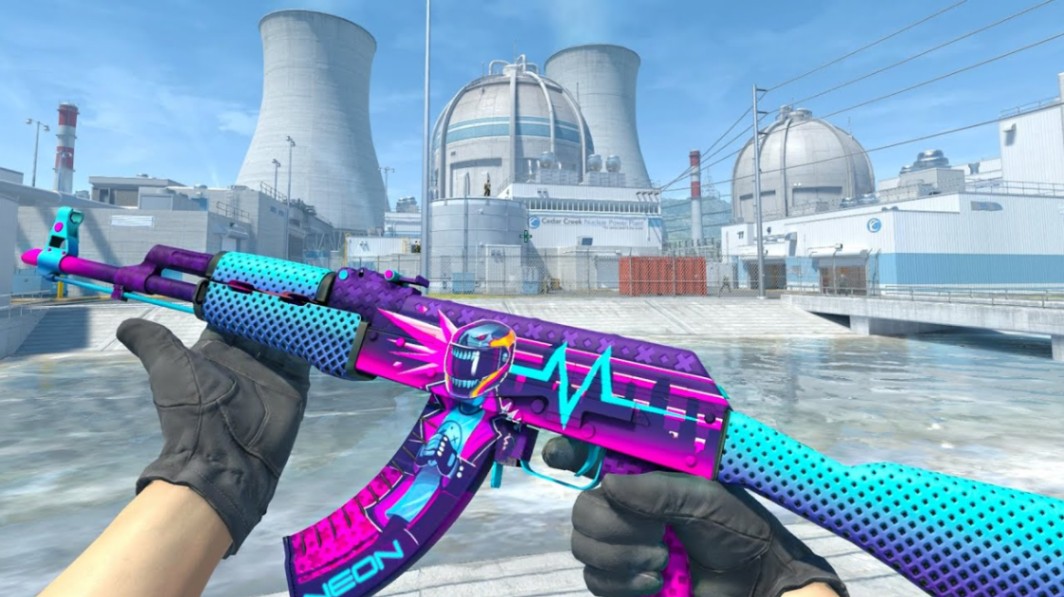
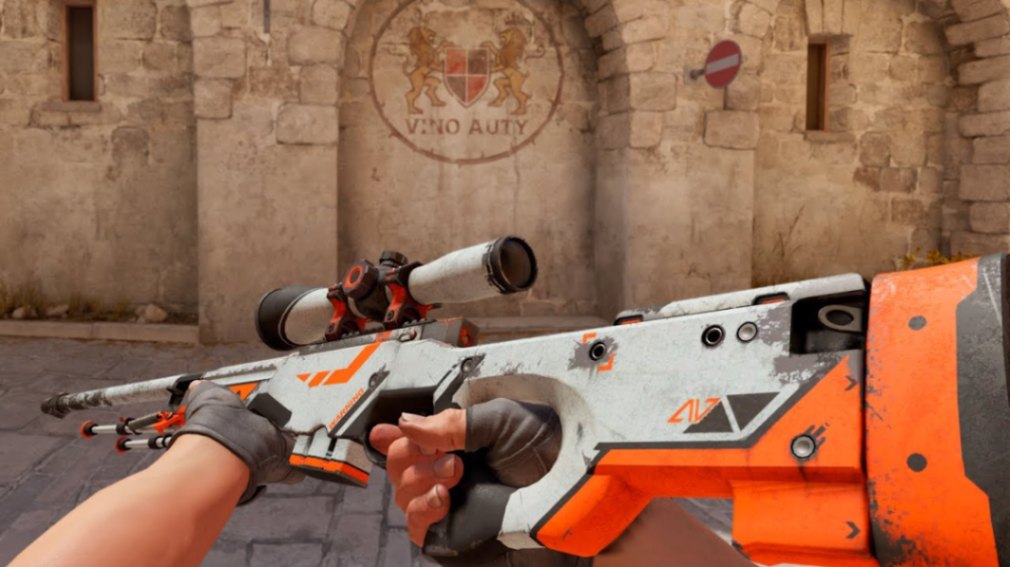
Note: Every opening is independent. Pulling several low-tier skins does not increase your chances on the next case.
Expected Value (EV): What It Actually Means
Expected Value, usually shortened to EV, estimates the average return over a very large number of openings.
The simplified formula is:
Expected Value = Probability × Average Item Value
You calculate this for every possible reward and combine the results.
EV is useful because it helps compare different cases objectively instead of relying on lucky screenshots posted on social media.
However, EV does not tell you what your next case will contain.
You might:
hit an expensive skin on your first try;
open dozens of average items in a row;
or experience something in between.
Randomness always wins in the short term.
Why Rare Drops Feel So Rare
Human psychology often makes rare drops seem even less likely than they really are.
Most players naturally remember:
incredible knife openings;
expensive Doppler finishes;
Factory New highlights;
massive wins shared on YouTube.
Far fewer people post the dozens of ordinary openings that came before them.
This creates a selection bias that can make exceptional pulls look much more common than they really are.
Event Promotions and Drop Odds
Special promotions occasionally advertise increased chances for certain rewards.
Whenever an event claims boosted probabilities, check:
whether the platform publishes updated odds;
whether the increase applies to every case or only selected ones;
whether the promotion has clear start and end dates.
Even if promotional odds are higher, randomness still applies. A boosted chance is not a guarantee of receiving a knife or Covert skin.
Hidden Factors Beyond the Math
Probability is only one piece of the puzzle.
Several other factors influence your overall result.
Market Prices
Skin values constantly change after game updates, esports events, or shifts in player demand.
Liquidity
Receiving an expensive skin doesn't automatically mean you'll sell it immediately at the desired price.
Personal Budget
Opening more cases after a losing streak doesn't improve future odds. Every roll remains independent.
Pro tip: Set a spending limit before opening cases and stick to it regardless of previous results.
Examples From Popular CS2 Skins
Understanding probability becomes easier when thinking about real skins.
For example:
Pulling an AK-47 Neon Rider is generally far more common than receiving a rare knife.
An AWP Asiimov can be a valuable reward, but its condition (Factory New, Minimal Wear, Field-Tested, Well-Worn, or Battle-Scarred) also affects market value.
Knife finishes like Gamma Doppler or Fade are highly desirable, while pattern and float may further influence collector demand.
These examples demonstrate why two skins from the same case can differ dramatically in value.
Probability vs Profit
Many players confuse good odds with guaranteed profitability.
They're not the same thing.
A case may offer transparent probabilities while still producing an average return below its purchase price over the long run.
That's why experienced traders often evaluate:
expected value;
current Steam market prices;
liquidity;
personal collecting goals.
Opening cases for entertainment is perfectly reasonable—as long as expectations stay realistic.
Comparing Expectations
| Expectation | Reality |
|---|---|
| Rare drops happen regularly | Rare items remain uncommon by design |
| A losing streak means a win is coming | Every opening is independent |
| Expected value predicts the next opening | EV only describes long-term averages |
| Event promotions guarantee profit | Promotions may improve odds but never remove randomness |
Useful Resources
Internal Links
[Placeholder: CS2 Case Opening Guide → URL]
[Placeholder: Best CS2 Cases → URL]
[Placeholder: Understanding Float Value → URL]
External Resources
Steam Community Market — https://steamcommunity.com/market
Counter-Strike Official Blog — https://www.counter-strike.net/news
Prices and liquidity change—check current offers at the time of reading.
Key Takeaways
Hellcase drop odds describe probability, not guaranteed outcomes.
Expected value helps compare cases over many openings, not predict individual results.
Every case opening is independent, regardless of previous wins or losses.
Market prices, liquidity, and item condition all affect actual returns.
Open cases for entertainment first, and always stay within your budget.
FAQ
Are Hellcase drop odds random?
Yes. Each case opening is an independent random event. Previous openings do not influence future results.
Does expected value guarantee profit?
No. Expected value is a long-term statistical average. Individual players may perform far above or below that average.
Do promotional events increase my chances?
Sometimes. If a promotion advertises boosted probabilities, review the published odds carefully and understand which cases are included.
Can expensive skins still lose value?
Yes. CS2 skin prices fluctuate due to supply, demand, game updates, and broader market trends.
Should I open cases or buy the skin directly?
If you're looking for a specific skin, buying it directly is usually the more predictable option. Case opening is primarily entertainment with a chance of receiving valuable rewards.
Why do some players get lucky while others don't?
Random probability naturally creates winning and losing streaks. Memorable wins are often shared publicly, while ordinary openings receive far less attention, making rare drops appear more common than they actually are.