
Risk-Mitigated 50/50 Trade-Up Strategies in CS2
CS2 trade-ups will always involve risk, but smart players know how to control it. Risk-mitigated 50/50 trade-up strategies are popular because they balance potential profit with safer outcomes, making them easier to sustain over time. If you care about expected value, float management, and avoiding brutal losses, this approach makes a lot more sense than chasing miracle hits.
Featured Snippet
What is a 50/50 trade-up strategy in CS2?
A 50/50 trade-up strategy is a CS2 trade-up setup where roughly half of the possible outcomes are profitable or highly desirable, while the remaining outcomes are lower value but still manageable. Traders use balanced collections, cheaper inputs, and float control to reduce losses and improve long-term expected value (EV).
Why 50/50 Trade-Up Strategies Work
A lot of players approach trade-ups like pure gambling. That usually ends with a pile of Battle-Scarred fillers nobody wants.
A proper 50/50 setup is different. The goal is to create a trade-up where your bad outcomes are survivable and your good outcomes carry enough upside to keep the strategy profitable over many attempts.
That balance matters more than landing one lucky roll.
Good 50/50 trade-ups usually have:
Two or more desirable outputs
Stable market demand
Cheap, liquid inputs
Reasonable float ranges
Decent resale speed on Steam or third-party markets
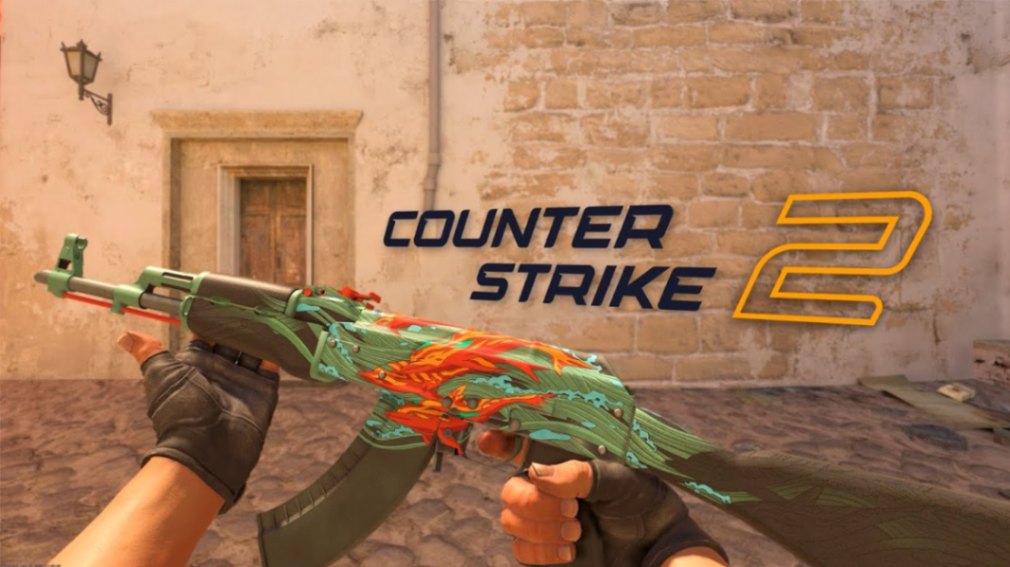
Collections tied to popular finishes or iconic weapons tend to hold demand better. Skins like the AK-47 | Aquamarine Revenge, M4A1-S | Player Two, or USP-S | Cortex are examples of outputs traders often target because they stay recognizable and relatively liquid.
How Risk-Mitigated Trade-Ups Actually Work
Pick Collections With Balanced Outcomes
The biggest mistake beginners make is targeting collections with one expensive jackpot and several dead outputs.
That is not a 50/50 strategy.
Instead, look for collections where multiple outputs are desirable. Cases like Gamma, Prisma, or Chroma lines sometimes offer better balance depending on current market conditions.
For example:
One output might be a high-demand rifle skin
Another could still retain decent liquidity because of stickers, crafts, or popularity
Even weaker rolls may recover part of the input cost
That creates a softer landing when RNG goes against you.
Keep Input Costs Controlled
Cheap inputs are what make this strategy sustainable.
Most traders building low-risk contracts stick to Mil-Spec or Restricted skins with stable supply. Overpaying for hype skins destroys EV fast.
Float matters too.
A Factory New input pool can produce dramatically different outcomes than a high-float Field-Tested setup. If you're targeting clean finishes or popular wear tiers like Minimal Wear, calculate the output float before buying anything.
A low-float input setup can sometimes turn an average skin into a much stronger sell.
Pro tip: Always check float caps before committing to a trade-up. Some skins cannot hit Factory New regardless of input quality.
Understand Expected Value (EV)
Expected value is the backbone of every serious trade-up strategy.
You are not asking:
“Can this trade-up profit?”
You are asking:
“Does this trade-up remain profitable over many attempts?”
A balanced EV setup considers:
Input costs
Output probabilities
Steam tax or marketplace fees
Float premiums
Liquidity
Market volatility
If one output carries the entire contract while everything else is trash, the strategy is fragile.
The best 50/50 trade-ups spread value more evenly across outcomes.
Example of a Balanced 50/50 Trade-Up
Here’s a simplified example of how traders structure these contracts:
| Setup | Goal |
|---|---|
| 10 Mil-Spec inputs | Keep investment low |
| Mixed Gamma collection inputs | Access balanced Classified outputs |
| Low float average | Improve wear outcome |
| Multiple desirable outputs | Reduce downside risk |
A trader might target skins like:
AK-47 | Aquamarine Revenge
M4A4 | Desolate Space

Glock-18 | Water Elemental

None of these are guaranteed profit. But compared to all-or-nothing contracts, the downside is much easier to manage.
Best Practices for Risk-Mitigated Trade-Ups
Use Market Timing to Your Advantage
Input prices move constantly.
Operation hype, sticker capsules, major tournaments, and case drops can all shift profitability within days.
Buying inputs during market dips gives you more room for error.
Prices and liquidity change—check current offers at the time of reading.
Avoid Overhyped Contracts
TikTok and YouTube trade-up videos often showcase insane wins while ignoring failed attempts.
If everybody is targeting the same contract, input prices usually rise fast and kill the EV.
Popular does not always mean profitable.
Don’t Ignore Liquidity
Some skins look profitable on paper but barely sell.
That matters.
A slightly cheaper skin with strong demand is usually safer than an expensive skin that sits unsold for weeks.
StatTrak versions can be even trickier because supply is lower and pricing swings harder.
Track Float and Pattern Value
Not every output is worth the same.
Even within the same skin:
Better floats sell faster
Rare patterns can add premiums
Doppler phases matter
Sticker crafts change liquidity
Certain seeds attract collectors
This is especially important for finishes tied to pattern rarity or collector demand.
A random Field-Tested output may not perform nearly as well as a clean Minimal Wear version.
Common Mistakes That Kill Profit
Chasing One Big Outcome
If your entire contract depends on hitting a single skin, you are gambling, not trading.
Balanced outputs matter more than jackpot potential.
Ignoring Fees
Steam tax eats profit quickly.
Always calculate net value after fees, not raw listing prices.
Buying Bad Floats
Cheap high-float inputs can ruin otherwise solid contracts.
This happens constantly with wear-sensitive skins.
Blindly Copying Public Trade-Ups
Once a profitable trade-up becomes public, margins often disappear fast because input prices spike.
Good contracts rarely stay secret for long.
Useful Tools for CS2 Trade-Up Planning
Several tools can help reduce risk before you commit:
Float databases
Trade-up simulators
EV calculators
Steam Market trackers
Price history tools
Useful references:
CSFloat
Steam Community Market
CSGOStash
You should never rely on a single calculator alone. Cross-check prices and verify collection pools manually whenever possible.
Internal Resources
[Placeholder: CS2 Trade-Up Calculator → URL]
[Placeholder: Best Cheap CS2 Skins → URL]
[Placeholder: How Float Affects Skin Prices → URL]
[Placeholder: Best Cases for Trade-Ups → URL]
Why 50/50 Trade-Up Strategies Stay Popular
Risk-mitigated 50/50 trade-up strategies remain one of the most practical ways to approach CS2 trading because they reward consistency over pure luck.
You are still gambling against RNG to some degree. There is no guaranteed profit in trade-ups.
But balanced contracts, controlled input costs, proper float management, and realistic EV calculations give you a much stronger chance of surviving variance and building inventory value over time.
For most players, that beats chasing impossible jackpot rolls every single day.
Key Takeaways
50/50 trade-up strategies focus on balancing profit potential with manageable downside
Strong trade-ups usually have multiple desirable outputs, not just one jackpot
Float value can heavily affect profitability and resale speed
Expected value matters more than single lucky outcomes
Overhyped public contracts often lose profitability quickly
Liquidity is just as important as theoretical market price
FAQ
What is a 50/50 trade-up in CS2?
A 50/50 trade-up is a contract where roughly half of the outputs are considered profitable or desirable, helping reduce overall downside risk.
Are 50/50 trade-ups profitable?
They can be, but profitability depends on input prices, float values, market demand, and current collection prices. No trade-up is guaranteed profit.
Does float matter in trade-ups?
Yes. Input float directly affects output wear, which can dramatically change skin value and liquidity.
What are the safest CS2 trade-up collections?
Safer collections usually have multiple desirable outcomes and stable demand. Gamma, Prisma, and Chroma collections are often explored by traders, though profitability changes constantly.
Should I use StatTrak inputs for trade-ups?
Sometimes, but StatTrak contracts are usually more volatile. Inputs cost more and output liquidity can be inconsistent.
How do I calculate trade-up EV?
Trade-up EV is calculated using output probabilities, expected resale value, fees, and total input costs. Good EV calculators help, but manual verification is still important.