
Steam vs Third-Party Markets: Where to Sell CS2 Skins
Selling CS2 skins sounds simple until fees, liquidity, and payout speed start eating into your profit. The debate around Steam vs third-party markets has been going on for years, and the answer depends on what you’re selling, how fast you want cash, and how much risk you’re willing to take.
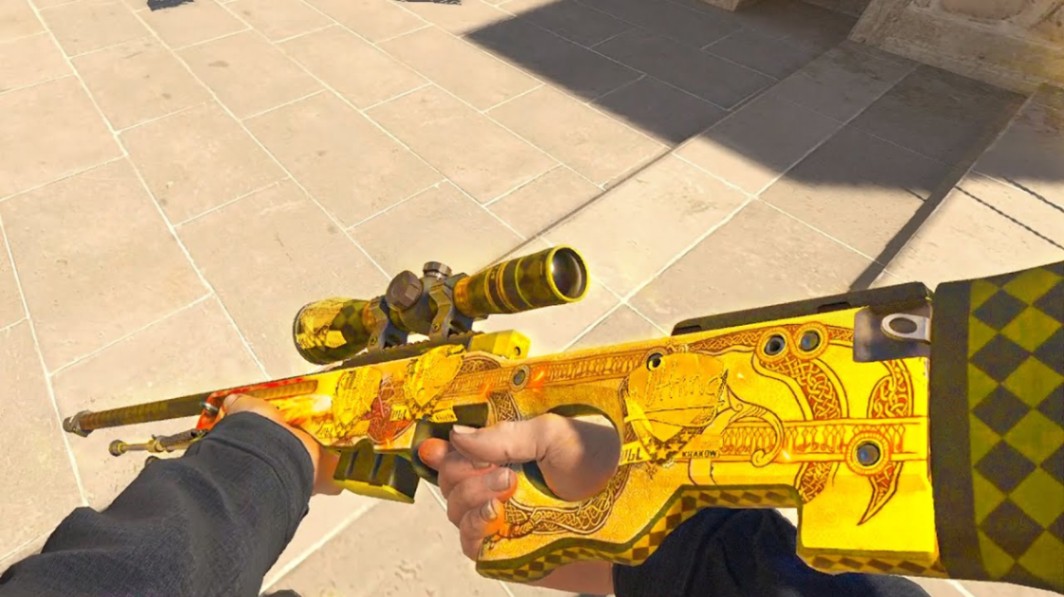
A Factory New AWP | Dragon Lore won’t move the same way as a low-float AK-47 | Redline or a random clutch of Mil-Spec fillers. Different platforms reward different strategies.

Featured Snippet
Steam vs Third-Party Markets for CS2 Skins
| Platform | Best For | Main Advantage | Main Drawback |
|---|---|---|---|
| Steam Community Market | Fast sales and trusted trading | Huge player base and security | High fees and Steam Wallet lock |
| Third-party markets | Cash payouts and lower fees | Better margins and flexible pricing | Extra transfer risk and smaller audiences |
If your goal is maximum cash value, third-party markets usually win. If you want convenience and quick liquidity inside the Steam ecosystem, Steam Market still works well.
Why Platform Choice Changes Your Profit
Where you sell matters almost as much as what you sell.
Steam prices are usually higher because buyers pay for convenience. Everything happens inside Valve’s ecosystem, trades feel safe, and skins are instantly usable. That extra comfort creates a premium.
Third-party platforms work differently. Sites like Buff163, Skinport, and DMarket often have lower listing prices, but sellers usually keep more of the final value because fees are smaller and payouts go directly to real money methods.
That difference becomes massive with expensive inventories, rare patterns, or high-liquidity items like:
AK-47 | Vulcan

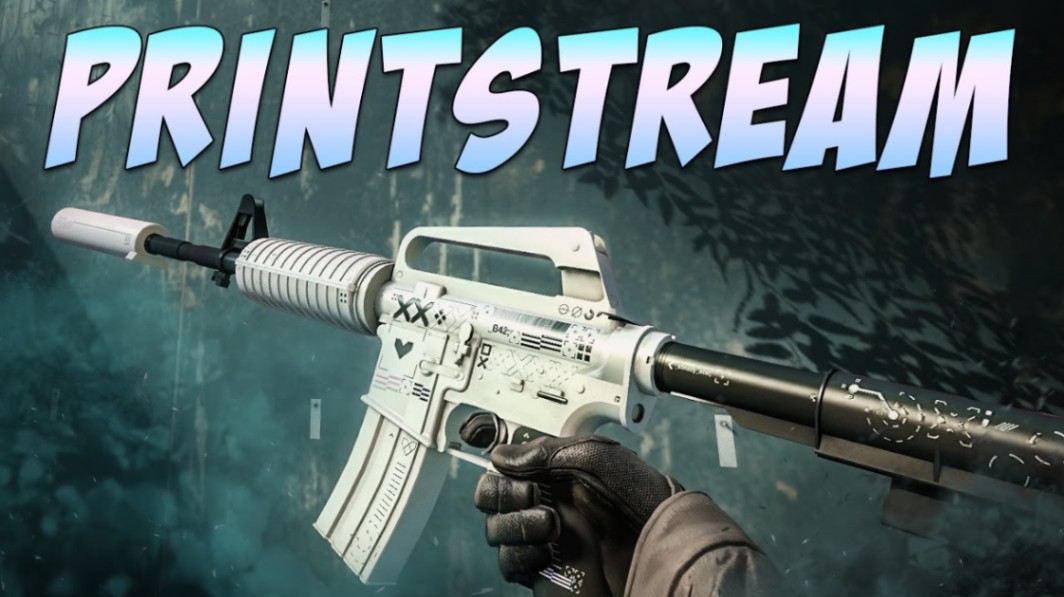
M4A1-S | Printstream
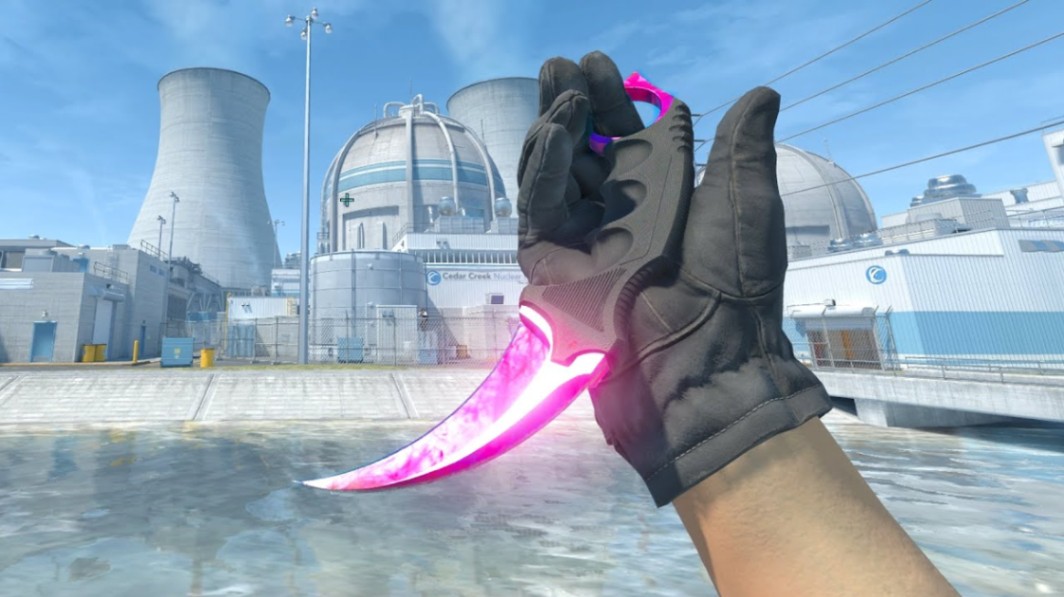
Karambit | Doppler Phase 2
Kato 2014 sticker crafts
A single fee difference on a high-tier knife can equal the value of another skin entirely.
Steam Market Pros and Cons
Why Steam Still Works for Many Traders
Steam is still the easiest place to sell CS2 skins. No extra verification. No external wallet setup. No waiting for buyers to trust your listing.
For popular skins, liquidity is hard to beat.
Steam Market Advantages
Massive built-in audience
Strong account security through Valve
Instant visibility for popular skins
Easy listing process
Great for fast-moving liquid skins
Skins with stable demand — like USP-S | Kill Confirmed or Glock-18 | Fade — often move quickly because millions of players browse Steam every day.
Steam Market Drawbacks
The biggest problem is fees.
Steam takes roughly 15% from most sales, which cuts heavily into profit margins. You also can’t withdraw cash directly. Funds stay locked in your Steam Wallet unless you use external workarounds.
Steam is also weaker for niche collector items.
Rare float skins, blue gems, or unique sticker crafts often need direct negotiation. Steam listings don’t always reflect collector value accurately.
Third-Party Markets Pros and Cons
Why Many Traders Prefer Third-Party Markets
Third-party markets are built around one thing: maximizing real-money value.
Fees are usually lower, payouts are faster, and advanced traders can react to market shifts quicker than on Steam.
That flexibility matters if you flip skins regularly or trade larger inventories.
Third-Party Market Advantages
Real cash withdrawals
Lower selling fees
Flexible pricing
Better opportunities for arbitrage
Easier access to regional price gaps
Some traders buy cheap skins on Buff163, use them for trade-ups, then sell successful outputs on Steam where prices trend higher.
That strategy still works for many collections, especially trade-up fillers and low-tier classified skins.
Third-Party Market Drawbacks
The risks are real too.
Not every marketplace has strong buyer protection. API scams, fake trade bots, and phishing attempts still catch careless users every day.
Liquidity can also vary heavily depending on the platform. A skin that sells in minutes on Steam may sit for days elsewhere.
Pro tip: Always double-check trade URLs and Steam login pages before confirming any trade.
Steam vs Buff163: A Practical Example
A common strategy looks something like this:
Buy lower-priced skins on Buff163
Use them in trade-ups or hold during demand spikes
Sell finished outputs on Steam
Reinvest Steam balance into more liquid items
For example, traders sometimes source cheaper FN trade-up fillers externally, then move premium outputs like an M4A1-S | Hyper Beast or Desert Eagle | Printstream through Steam’s larger audience.
This works because the two ecosystems don’t always price skins equally.
The gap becomes even bigger during:
Operation launches
Major sticker hype
Case discontinuations
Doppler phase demand spikes
CS2 update volatility
Best Strategy for Selling CS2 Skins
Buy Low on Third-Party Markets
Third-party markets are usually stronger for sourcing inventory.
Trade-up fillers, older operation skins, and common liquids often appear below Steam pricing. That discount creates room for profit later.
Sell High on Steam
Steam still shines for skins with massive mainstream demand.
Players browsing inside the client are often willing to pay more because they trust the ecosystem and already have Steam Wallet funds available.
Watch Liquidity Carefully
Not every skin behaves the same.
A low-float Desert Eagle | Blaze may move faster on a collector-focused platform, while a regular AK-47 | Neon Rider could sell instantly on Steam.
Pattern-based items are even more complicated. Blue gems, rare Doppler phases, and high-tier sticker crafts often require specialized buyers.
Common Mistakes That Kill Profit
Ignoring Total Fees
A higher sale price doesn’t always mean higher profit.
Always calculate:
Platform fee
Withdrawal fee
Currency conversion
Transfer delays
Chasing Suspicious Deals
If a marketplace price looks absurdly low, there’s usually a reason.
Stick to established platforms with strong reputations and active communities.
Useful references:
Steam Community Market
CSFloat Database
Misreading Market Timing
CS2 skin prices move fast around Majors, operations, and updates.
A skin that looks overpriced today might spike tomorrow because of a new sticker combo trend or YouTube showcase.
Prices and liquidity change—check current offers at the time of reading.
Steam vs Third-Party Markets: Which Is Better?
There isn’t a universal winner.
Steam is better for:
Simplicity
Fast liquidity
Trusted transactions
Mainstream skin sales
Third-party markets are better for:
Real cash payouts
Lower fees
Arbitrage opportunities
Collector-focused trading
Most experienced traders use both.
They source inventory on third-party markets, then sell selectively depending on liquidity, demand, and fee structure. That hybrid approach usually gives the best long-term results.
Key Takeaways
Steam Market offers stronger liquidity but higher fees.
Third-party markets usually provide better real-money value.
Rare patterns and collector skins often perform better outside Steam.
Arbitrage between platforms still exists in CS2.
Always calculate net profit after fees and withdrawals.
Security matters more than a slightly better price.
FAQ
Is Steam Market safer than third-party CS2 markets?
Yes. Steam is backed directly by Valve and has stronger built-in protection. Third-party sites can still be safe, but users need to watch for scams and fake trade bots.
Why are CS2 skins cheaper on Buff163?
Prices are often lower because the platform focuses on cash trading instead of Steam Wallet balance. Regional demand differences also affect pricing.
Can you withdraw real money from Steam Market?
Not directly. Steam Wallet funds stay inside the Steam ecosystem.
What skins sell fastest on Steam?
Popular liquid skins usually move fastest. Examples include:
AK-47 | Redline
AWP | Asiimov
USP-S | Printstream
Knife Dopplers
Are third-party markets better for expensive skins?
Often, yes. Collector items, rare patterns, and high-tier knives can perform better because buyers and sellers negotiate closer to true market value.
Is arbitrage between Steam and third-party markets still possible?
Yes, but margins change constantly. Traders monitor float value, sticker demand, pattern rarity, and market timing to find profitable gaps.
[Placeholder: CS2 Trade-Up Guide → URL]
[Placeholder: Best CS2 Investment Skins → URL]
[Placeholder: How Float Value Works in CS2 → URL]