
Trade-Up Contract Basics in CS2: Smart Ways to Profit
Trade-up contracts are one of the most popular ways to upgrade skins in CS2 without opening cases. Done right, they can turn cheap filler skins into high-tier plays like an AWP | Asiimov or AK-47 | Neon Rider. Done badly, they drain your balance fast.
The trick is understanding how collections, float values, and market demand work before you hit the Trade Up button.
Featured Snippet
What is a CS2 Trade-Up Contract?
A trade-up contract in CS2 lets you exchange 10 skins of the same rarity for one skin of the next rarity tier. The output skin depends on the collections used in the contract, while the float of the result is calculated from the average float of the inputs.
Key things that affect profit:
Input skin cost
Collection selection
Output pool
Float values
Market demand
StatTrak compatibility
How Trade-Up Contracts Work in CS2
The basic system is simple:
Add 10 skins of the same rarity
Confirm the trade-up
Receive one skin from the next rarity tier
If you use skins from multiple collections, the output pool combines skins from all eligible collections. That’s where most experienced traders find value.
For example, mixing skins from collections with strong top-end outputs can improve expected value without massively increasing input costs.
A Restricted trade-up can potentially lead to skins like:
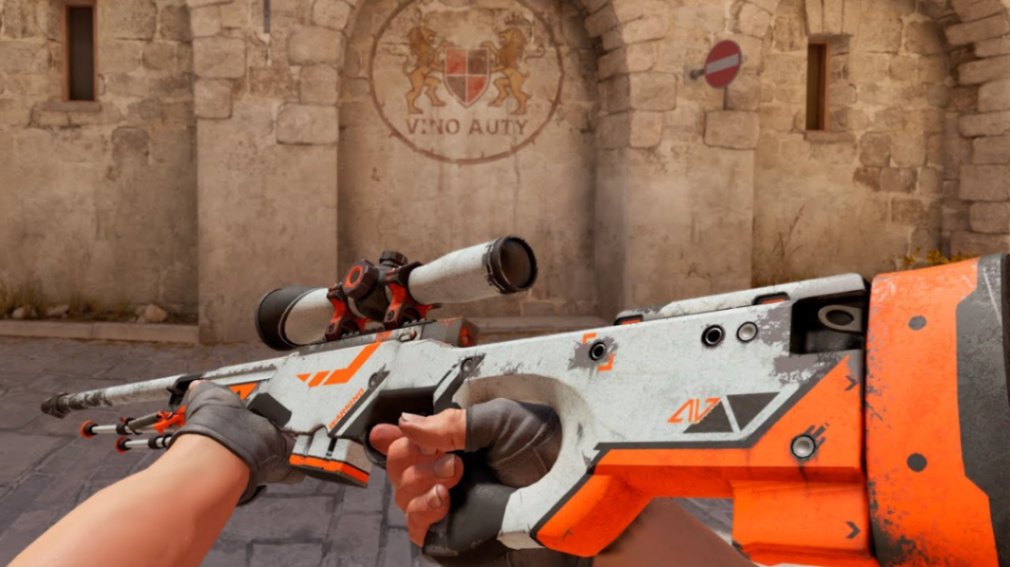
Counter-Strike 2 AWP | Asiimov
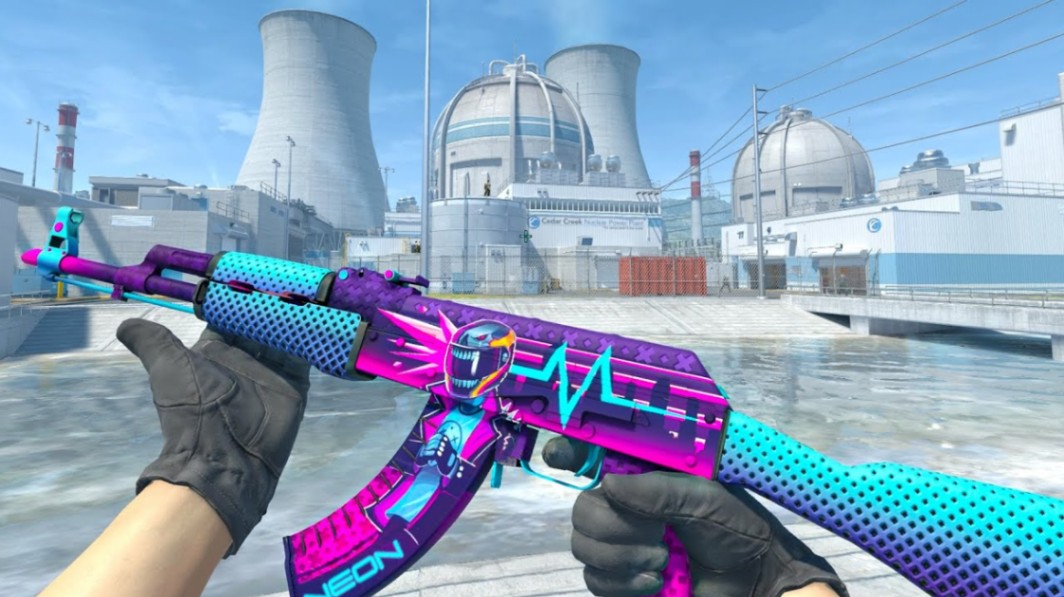
AK-47 | Neon Rider
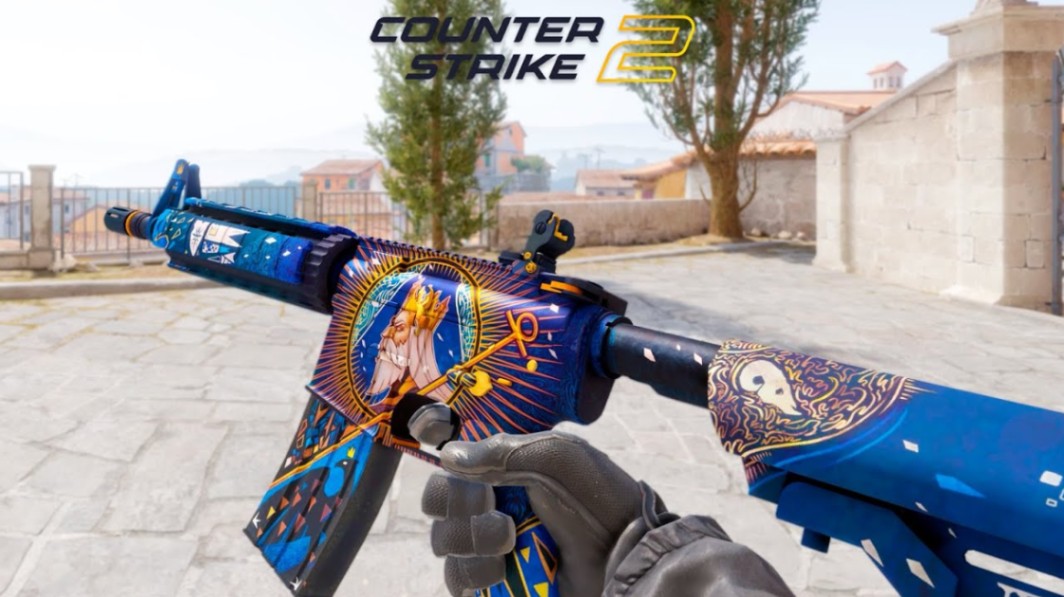
M4A4 | The Emperor
Not every hit is profitable, though. Plenty of contracts end with low-demand skins that are hard to resell.
Float Values Matter More Than Most Beginners Think
Float directly affects wear condition:
Factory New (FN)
Minimal Wear (MW)
Field-Tested (FT)
Well-Worn (WW)
Battle-Scarred (BS)
The output float is based on the average float of all 10 input skins. That means cheap low-float fillers can sometimes create valuable FN or MW outcomes.
This is why experienced traders hunt for:
Low-float Mil-Spec skins
Specific float caps
Collections with strong FN premiums
A skin with a clean float can sell much faster than the same skin in BS condition.
Pro Tip
Always check the float range of the target skin before building a contract. Some skins can never reach Factory New, even with perfect inputs.
Best Types of Trade-Ups for Beginners
Budget Trade-Ups
Low-risk contracts using cheap Industrial or Mil-Spec skins are ideal when learning the system.
Good beginner collections often include skins with:
Stable demand
Popular finishes
Active Steam Market volume
Collections tied to iconic skins usually stay more liquid than forgotten map collections.
Collection-Focused Trade-Ups
Some players target collections with one standout item.
Examples include collections containing skins like:
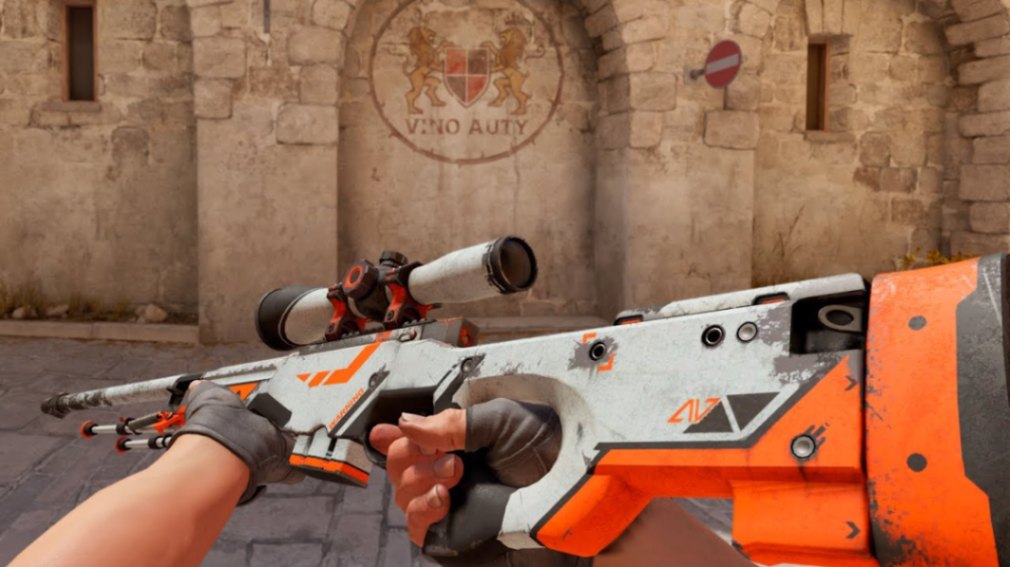
AWP | Asiimov
AK-47 | Redline

Desert Eagle | Printstream
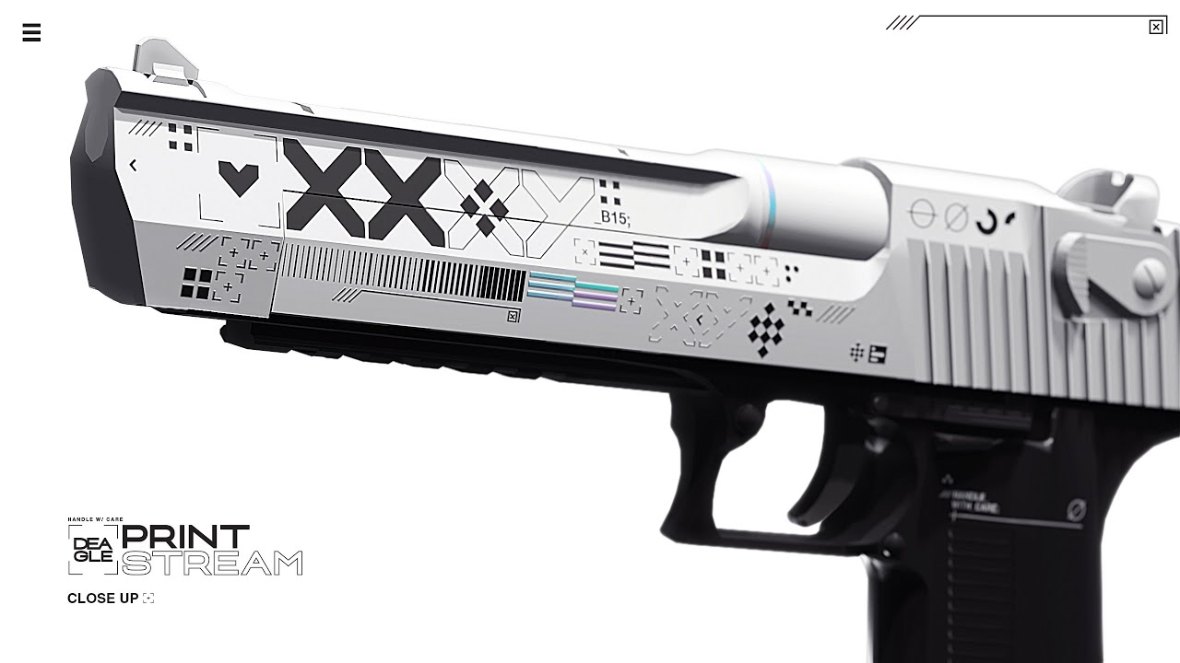
The idea is simple: even if most outputs are average, one premium hit can carry the contract’s expected value.
StatTrak Trade-Ups
StatTrak contracts are separate from normal ones. Every input must be StatTrak, and the output will also be StatTrak.
These contracts are usually more volatile because StatTrak pricing swings harder with demand and rarity.
Common Trade-Up Mistakes
Overpaying for Inputs
This kills profit margins immediately.
A lot of beginners buy the exact skins YouTubers recommend, which pushes prices up overnight. By the time most people copy the contract, the edge is gone.
Use market trackers and compare prices across marketplaces before buying anything.
Ignoring Liquidity
A skin can look profitable on paper and still sit unsold for weeks.
High-liquidity skins move faster:
AK-47 skins
AWP skins
Knife finishes
Popular sticker combos
Low-demand outputs are much riskier, even if the listed price looks good.
Chasing Viral Contracts
Some contracts become overhyped because of TikTok clips or YouTube thumbnails showing lucky hits.
That’s survivorship bias. You usually don’t see the 20 failed attempts behind the one screenshot.
How Experienced Traders Reduce Risk
They Calculate Expected Value
Smart traders compare:
| Factor | Why It Matters |
|---|---|
| Input cost | Determines break-even point |
| Output pool | Defines profit potential |
| Float outcome | Affects resale value |
| Liquidity | Impacts how quickly skins sell |
| Market trend | Changes pricing fast |
Expected value won’t guarantee profit, but it helps avoid terrible contracts.
They Watch Market Timing
Trade-up profitability changes constantly after:
Operations
Major tournaments
Case removals
Sticker hype
Workshop skin releases
A collection that works today might become unprofitable next week.
Prices and liquidity change—check current offers at the time of reading.
Useful Resources for Trade-Up Research
If you want to study contracts properly, these resources help:
Steam Community Market
CS2 Trade-Up Simulator by TradeUpSpy
You can also track current market movement through:
[Placeholder: CS2 Skins Market Guide → URL]
[Placeholder: Best Cheap CS2 Skins → URL]
[Placeholder: How Float Values Work → URL]
Are Trade-Up Contracts Worth It?
Trade-up contracts sit somewhere between investing and gambling.
You can improve your odds with good research, low-float inputs, and strong collection choices. But randomness is still part of the system.
For most players, the best approach is:
Start small
Learn float math
Avoid hype
Focus on liquid skins
Track expected value carefully
That’s how experienced CS2 traders stay profitable long-term.
Key Takeaways
CS2 trade-up contracts exchange 10 same-rarity skins for one higher-tier skin.
Float values heavily affect the quality and price of the result.
Cheap inputs don’t always mean bad outcomes.
Market demand matters as much as rarity.
StatTrak trade-ups are riskier but can offer bigger upside.
Smart traders calculate expected value instead of chasing lucky clips.
FAQ
What is the best trade-up contract in CS2?
There’s no universally best contract. The strongest options usually combine low input costs, good float potential, and highly liquid outputs like AWP or AK-47 skins.
Do floats affect trade-up outcomes?
Yes. The average float of the 10 input skins determines the output float, which affects wear condition and resale value.
Can you profit from CS2 trade-ups consistently?
Some traders do, but it requires market research, patience, and strict cost control. Blindly copying popular contracts rarely works long-term.
Are StatTrak trade-ups worth it?
They can be, especially for high-demand skins. But StatTrak markets are more volatile, so losses can stack up quickly.
Is a trade-up contract better than opening cases?
Usually, yes. Trade-ups give you more control over inputs, collections, and float outcomes compared to random case openings.
What’s the safest way to start trade-ups?
Start with cheap Mil-Spec or Restricted contracts from active collections. Learn how float ranges and expected value work before risking expensive skins.