
How Valve Updates Affect CS2 Skin Prices and Market Trends
Valve can change the CS2 skin market with a single update. A weapon rebalance, a new case, an altered drop pool, or even a lighting adjustment can influence demand and liquidity. Understanding how Valve updates affect CS2 skin prices helps collectors and traders separate short-lived hype from changes that may have a lasting impact.
Featured Snippet
Valve updates can affect CS2 skin prices by changing weapon popularity, introducing new cosmetic supply, modifying how skins look, adjusting trading mechanics, or shifting player expectations. Updates do not guarantee a price increase or decrease. The biggest movements usually happen when a patch changes either demand for an item or its available supply.
Why Valve Updates Matter to the CS2 Skin Market
CS2 skins are cosmetic, but their demand is closely connected to the game itself. Players generally want skins for weapons they actually use, while collectors care about scarcity, float, pattern, stickers, and historical significance.
That means an update doesn't need to mention skins directly to influence the market.
A weapon becoming stronger can attract more players to its skins. A new case can redirect attention toward fresh finishes. Changes to maps or the competitive meta can also make previously overlooked weapons more visible.
Market reactions aren't always rational, either. Expectations matter. Traders may buy or sell before an update has had enough time to show its real impact.
How Weapon Balance Updates Affect CS2 Skin Prices
Weapon balance is one of the clearest links between gameplay and cosmetics.
If Valve makes a rifle, SMG, or pistol more useful in competitive play, its usage rate can increase. More players using the weapon means more potential buyers looking for a skin for it.
The opposite can happen after a significant nerf.
For example, demand for popular finishes such as M4A1-S Printstream or AWP Asiimov can partly depend on how attractive those weapons are in the current meta. This doesn't mean every buff sends skins higher or every nerf causes a crash. Rarity, collector demand, and broader market conditions still matter.
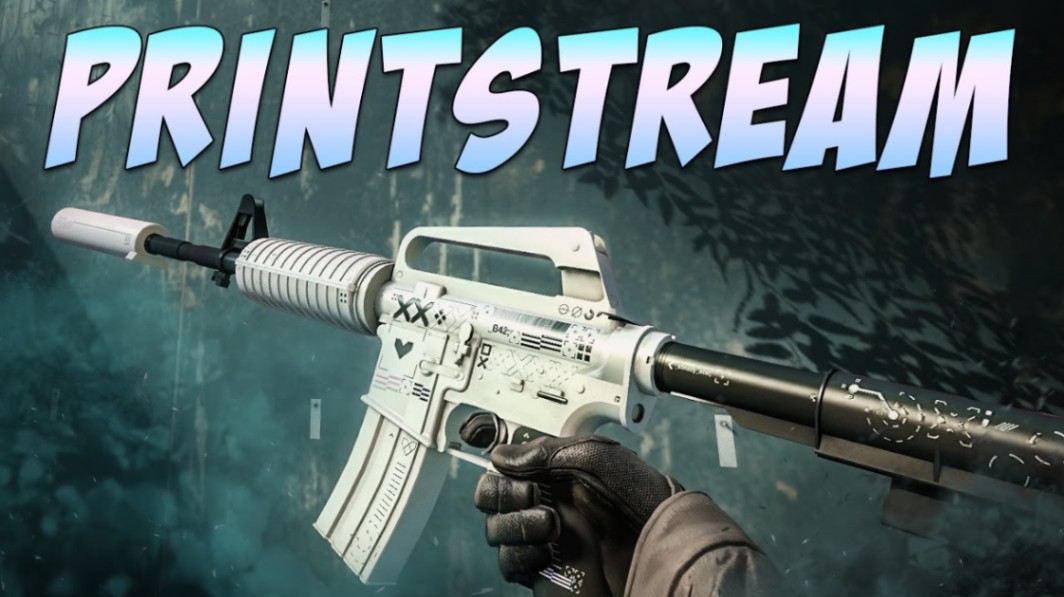
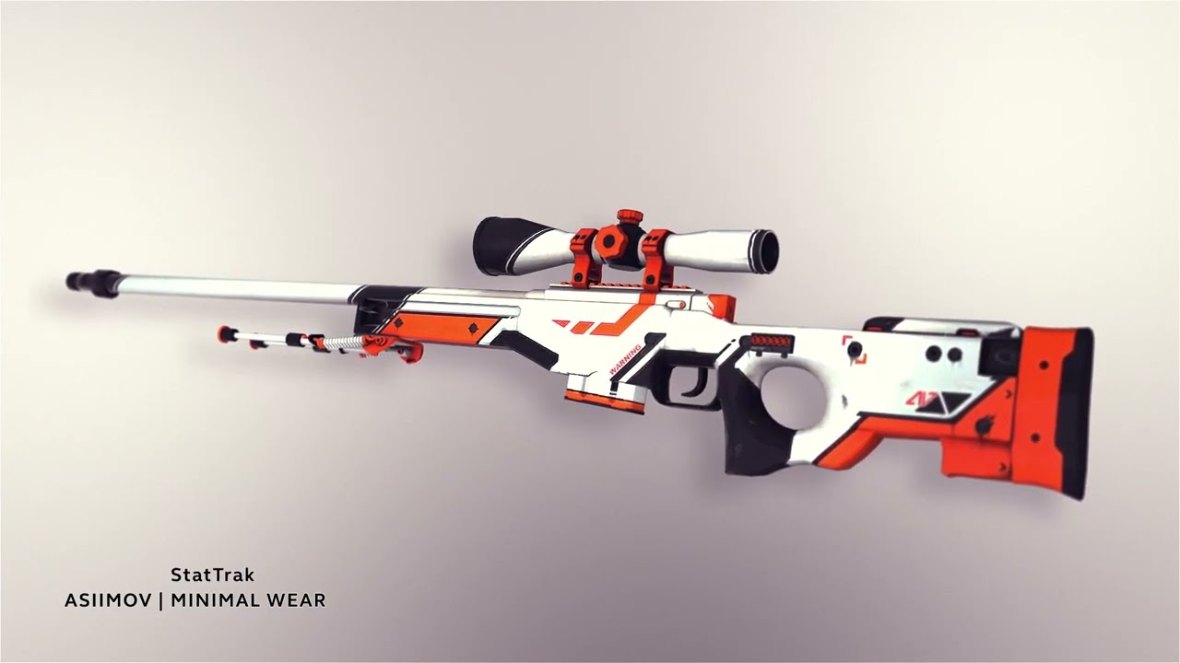
Popular weapons usually have stronger cosmetic demand
The AK-47 is a good example.
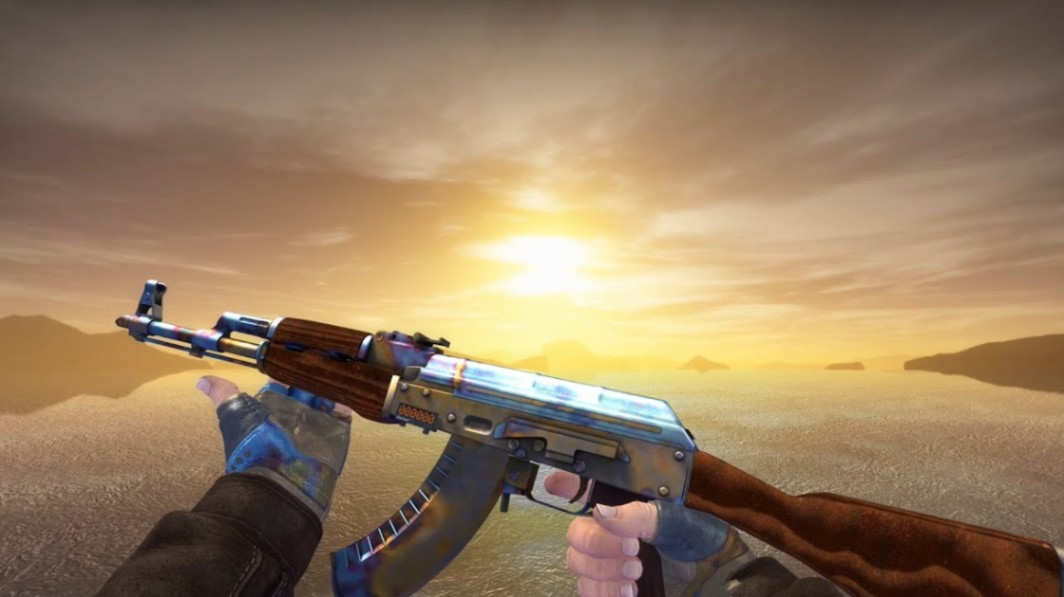
Even when Valve adjusts other rifles, the AK remains a core Terrorist-side weapon. That persistent gameplay relevance helps maintain interest across everything from affordable AK skins to collector pieces such as the AK-47 Case Hardened.
Rare patterns add another layer. A desirable Case Hardened seed isn't valued only because someone wants an AK skin; collectors may specifically want that pattern.
This distinction matters when evaluating an update.
Pro tip: Separate a skin's play demand from its collector demand. A balance patch can hit the first much harder than the second.
New Cases and Collections Can Reshape Demand
Few updates attract skin traders faster than a new case or collection.
New cosmetics compete for attention and inventory budgets. Players sell existing items to buy cases, keys, or newly released skins, while collectors race to understand which finishes, patterns, and knives could become desirable.
That can temporarily reduce liquidity elsewhere in the market.
New supply creates winners and losers
A new case doesn't automatically make older skins cheaper.
Sometimes the opposite happens. If a new release makes a particular weapon fashionable again, older high-quality skins for that weapon can receive additional attention.
Other times, a new finish competes directly with an established favorite.
Consider the Snakebite Case, which includes skins such as the USP-S The Traitor and M4A4 In Living Color. Releases like this give players more choices without automatically replacing older classics.
Collectors also watch the rare special item pool closely. Knife and glove availability can influence interest in existing finishes, particularly Doppler phases and other visually distinctive variants.
Supply Changes Can Be More Important Than Hype
For long-term pricing, supply is often more important than launch-week excitement.
If Valve changes where an item comes from—or how frequently players can obtain its source container—the market may reassess its future availability.
This is why traders closely watch changes involving:
active and inactive case pools;
weekly drops and rewards;
operations and limited collections;
newly introduced cases;
discontinued or less accessible sources.
An item's current quantity matters, but expected future supply matters too.
A case that continues entering inventories has a different scarcity profile from one whose supply grows much more slowly.
That doesn't guarantee appreciation. It simply changes one of the fundamental variables behind the market.
Visual Updates Can Move Skin Demand
CS2's Source 2 rendering system made appearance an especially important part of skin discussion.
Lighting, reflections, material behavior, and weapon models can change how a finish looks in actual gameplay. For collectors, those differences aren't trivial.
Doppler knives are a particularly obvious example. Players distinguish between phases based on their color distribution, while finishes such as Ruby and Sapphire are sought for very specific appearances.
The same principle applies to ordinary weapon skins.
If an update makes a finish appear brighter, darker, cleaner, or more reflective, community perception can shift—even if Valve hasn't changed the skin's rarity or supply.
Float and pattern still matter
Visual changes don't erase traditional valuation factors.
Two copies of the same skin can remain very different because of:
wear tier: Factory New, Minimal Wear, Field-Tested, Well-Worn, or Battle-Scarred;
float value: the exact wear value within the skin's allowed range;
pattern/seed: crucial for skins such as Case Hardened;
StatTrak: a separate variant available on supported skins;
stickers: placement, condition, combination, and rarity can matter;
special finish variants: including individual Doppler phases.
A patch can increase general interest in a skin, but exceptional examples may follow a different market entirely.
[Placeholder: CS2 Float Guide → URL]
[Placeholder: CS2 Pattern and Seed Guide → URL]
How Trading Updates Affect CS2 Skin Prices
Gameplay isn't Valve's only market lever.
Changes affecting trading, item availability, account restrictions, or the Steam Community Market can influence how quickly skins move between owners.
Liquidity is critical.
A skin might have strong theoretical demand, but traders care about how easily they can buy or sell it. Rules that make trading slower or less convenient can create temporary pricing differences between marketplaces.
This is also why a listed price isn't necessarily the same as a realistic sale price.
For frequently traded liquid skins, the difference may be relatively small. For rare patterns, expensive sticker crafts, or unusual low-float items, finding the right buyer can take considerably longer.
Security Updates Can Affect Market Confidence
Valve's security work also matters, although the relationship with prices is less direct.
Players are more willing to hold valuable inventories when they trust the underlying ecosystem. Measures against account theft, cheating, fraudulent activity, and unauthorized software therefore contribute to confidence around digital items.
However, claims that a particular VAC wave will automatically push specific skin prices higher or lower should be treated carefully.
VAC bans restrict affected inventories rather than simply dumping their contents onto the open market. The market impact can therefore be more complicated than "more bans = cheaper skins."
For official information about account and trading systems, Valve's Steam Support documentation is the safest reference point.
Community Expectations Can Move Prices Before an Update
The CS2 market doesn't always wait for patch notes.
Rumors about a new operation, case, collection, trade mechanic, or weapon adjustment can generate speculative buying before Valve confirms anything.
This creates one of the market's biggest traps: pricing an unconfirmed rumor as if it were already fact.
Suppose players expect Valve to remove a particular case from regular circulation. Traders may begin accumulating it in anticipation of reduced future supply. If the expected change doesn't happen, speculative demand can disappear quickly.
The same pattern can occur with skins.
Social media posts, streamer reactions, screenshots, and data-mining discoveries can attract buyers, but none should automatically be treated as confirmation of Valve's plans.
Short-Term Hype vs Long-Term Value
| Factor | Short-Term Impact | Potential Long-Term Importance |
|---|---|---|
| Weapon buff or nerf | Often noticeable | Depends on lasting meta relevance |
| New case | High attention | Depends on supply and skin popularity |
| New collection | Strong initial demand | Scarcity can become important |
| Visual/rendering change | Can trigger speculation | Important if players prefer the new look |
| Drop-pool change | Often speculative | Potentially significant for supply |
| Trading restriction | Can reduce liquidity | Depends on whether the rule persists |
| Community rumor | Potentially high | Low unless Valve confirms it |
The important word here is potential.
CS2 skins don't follow a simple formula where one update produces one predictable price movement. Supply, demand, liquidity, rarity, collector preferences, and wider market sentiment interact constantly.
What Happens to Older Skins After New Updates?
Older doesn't automatically mean obsolete.
Some established skins have characteristics that new releases can't easily reproduce. That includes iconic artwork, scarce patterns, rare stickers, historical collections, and strong recognition within the Counter-Strike community.
A clean AK-47 Case Hardened with a desirable pattern, for example, occupies a different collector niche from a newly released AK finish.
Sticker crafts are even more specialized.
A weapon carrying desirable Katowice 2014 holo stickers may derive a substantial part of its collector appeal from the craft rather than the underlying weapon skin. A new case isn't a direct substitute for that.
This is why evaluating skins solely by weapon popularity can be misleading.
How Traders Can React to Valve Updates
The first market move after an update isn't necessarily the lasting one.
Instead of immediately following a price spike, check what actually changed. Was supply reduced? Did Valve materially alter the weapon? Is the visual difference significant? Or is everyone buying because of a viral screenshot?
A practical checklist is:
Read the actual Valve patch notes.
Identify whether the change affects supply, demand, or liquidity.
Check multiple variants and wear tiers rather than one listing.
Compare sales activity with asking prices.
Watch whether interest survives beyond the initial reaction.
Treat leaks and community speculation separately from confirmed updates.
For rare skins, examine the item itself. Float, seed, sticker placement, and special patterns can make general market averages much less useful.
[Placeholder: How to Check CS2 Skin Prices → URL]
[Placeholder: CS2 Skin Trading Guide → URL]
Can Valve Updates Make a Skin More Valuable?
Yes, but there is no guaranteed relationship.
An update could increase demand for a weapon, reduce future supply of a case, or improve how a finish looks in CS2. Any of those factors may support stronger demand.
But another factor can easily outweigh it.
A weapon buff won't necessarily transform a heavily supplied skin into a collector item. Similarly, an older case becoming less accessible doesn't guarantee that every skin inside it will rise equally.
Think in terms of supply + demand + liquidity + collector appeal, rather than trying to predict prices from one variable.
Key Takeaways
Valve updates affect CS2 skin prices mainly by changing supply, player demand, liquidity, or cosmetic appearance.
Weapon buffs and nerfs can influence demand, especially for commonly played guns.
New cases and collections redirect attention but don't automatically destroy the value of older skins.
Float, wear, pattern/seed, StatTrak status, stickers, and Doppler phases can matter more than broad market trends for individual items.
Drop-pool and supply changes can have more lasting importance than short-term update hype.
Treat rumors as speculation until Valve confirms the underlying change.
Note: Prices and liquidity change—check current offers at the time of reading.
FAQ
Do Valve updates affect CS2 skin prices?
Yes. Valve updates can affect CS2 skin prices when they change weapon usage, cosmetic supply, trading conditions, rendering, or community expectations. The size and duration of the effect vary significantly between items.
Do weapon nerfs make CS2 skins cheaper?
Not automatically. A major nerf can reduce gameplay-driven demand for skins associated with that weapon, but rare patterns, valuable sticker crafts, low floats, and collector-grade items may behave differently.
What happens to skin prices when Valve releases a new case?
New cases usually attract significant attention and can temporarily shift demand away from existing items. Longer-term effects depend on the popularity of the new skins, their supply, and whether they compete directly with older finishes.
Why do CS2 case supply changes matter?
Case availability determines how quickly additional copies of the skins inside can enter the ecosystem. If future supply changes, traders may reassess scarcity, although reduced supply alone doesn't guarantee higher prices.
Can a CS2 visual update increase a skin's value?
It can increase demand if players prefer the new appearance. Reflective finishes, Doppler phases, and other skins heavily influenced by lighting can receive particular attention after rendering changes.
Should I buy skins immediately after a Valve update?
Buying immediately carries additional risk because early movements can be driven by speculation and thin liquidity. Check the confirmed patch notes, actual supply implications, sales activity, float and pattern differences, and whether demand persists before making a decision.
Valve Updates and CS2 Skin Prices: What Matters Most
Understanding how Valve updates affect CS2 skin prices is less about predicting the next spike and more about identifying what fundamentally changed. Weapon balance affects usage, new cases alter supply and attention, visual updates reshape preferences, and trading rules influence liquidity.