
When to Quit CS2 Sessions: Psychological Tricks to Walk Away
Knowing when to quit CS2 sessions is an underrated skill. Most players spend hours practicing spray control, utility lineups, or grinding Premier ratings, but very few work on managing tilt. That's often what separates players who enjoy the game long-term from those who burn out after a rough week.
The hardest clutch isn't always winning a 1v3. Sometimes it's closing the game at exactly the right moment.
Featured Snippet
How do you know when to quit a CS2 session?
The best time to stop playing is usually after repeated losses, visible frustration, declining focus, or breaking limits you set before queuing. Using simple rules such as a three-loss stop, cooldown periods, and session budgets can help prevent tilt and poor decision-making.
Why Your Brain Hates Quitting
Walking away feels uncomfortable for a reason.
Behavioral psychologists often point to two powerful mechanisms that influence decision-making.
Loss Aversion
People naturally dislike losing more than they enjoy winning. After dropping three matches in a row, it's tempting to queue "just one more" to recover lost rating points.
The problem is that tilted games rarely produce your best performance.
Chasing Near Misses
Near misses can feel strangely motivating.
Missing an ace by one bullet, losing 11-13 after a comeback, or opening several cases without finding a high-tier skin may encourage players to keep going. Similar effects have been studied extensively in gambling research and reward systems.
That emotional rush can make rational decisions surprisingly difficult.
Five Tricks to Quit Smarter
The Three-Loss Rule
This is probably the easiest habit to build.
Set a simple condition before you play:
Three consecutive losses.
Thirty-minute mandatory break.
No exceptions.
The goal isn't punishment. It's creating distance between frustration and decision-making.
Many experienced players already do this instinctively.
Ask Yourself One Question
Before hitting "Play Again," ask:
If I lose the next match, will I still be satisfied with today's session?
Most people answer honestly once they stop reacting emotionally.
This approach also works for skin openings and trading sessions.
If you're considering opening another case after receiving several low-tier skins, ask yourself whether you'd still feel comfortable if the next item was another consumer-grade finish.
Examples many players know include:
AK-47 | Safari Mesh

P250 | Sand Dune
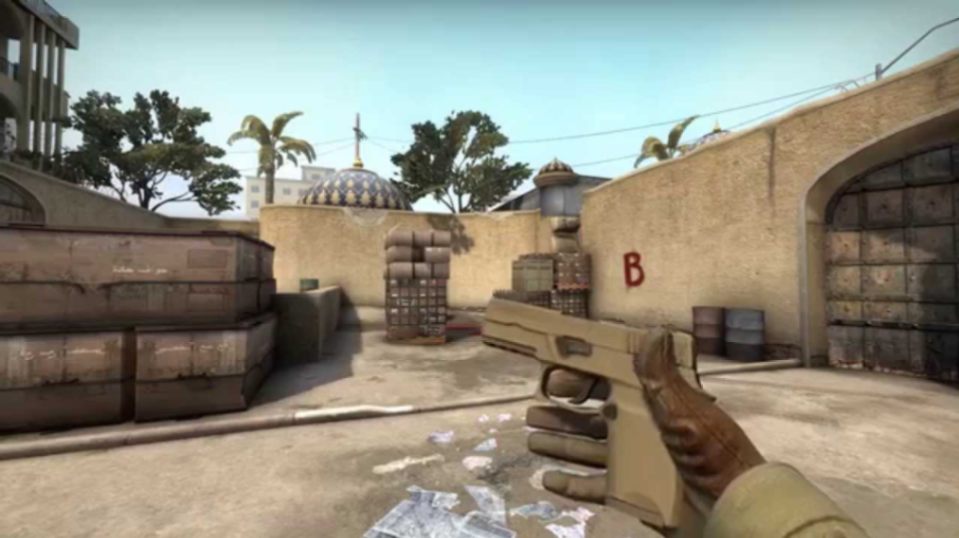
Glock-18 | Bunsen Burner
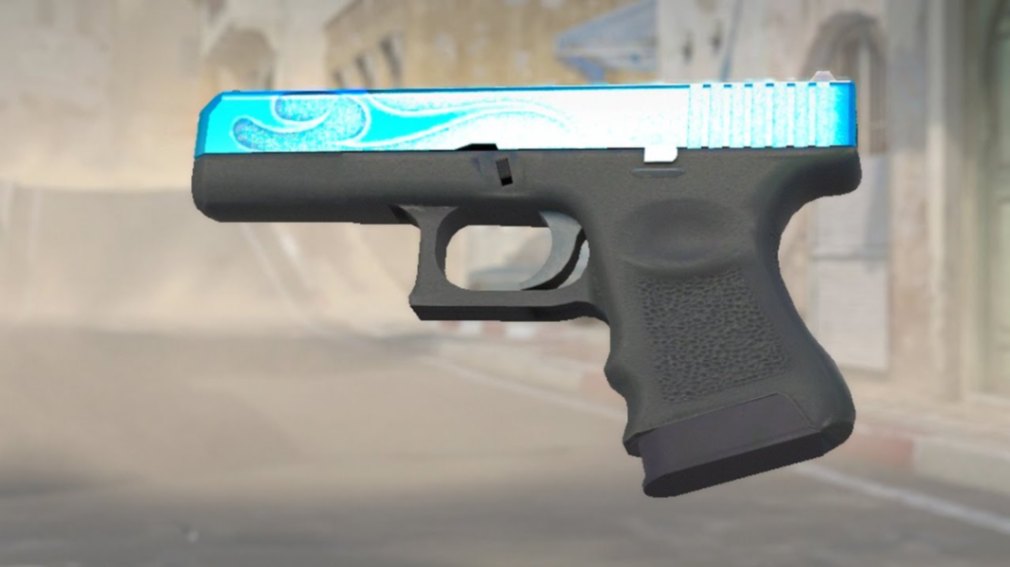
None of them are bad skins, but chasing a specific item through repeated openings can become expensive quickly.
Use Pre-Set Limits
The best decisions happen before emotions get involved.
Decide in advance:
| Category | Suggested Limit |
|---|---|
| Ranked matches | 5-7 games |
| Session length | 2-3 hours |
| Case openings | Fixed monthly budget |
| Trading | Maximum daily exposure |
Having rules removes the need to negotiate with yourself later.
Pro tip: Write your limits somewhere visible. People are much more likely to follow boundaries they've committed to in advance.
Take a Ten-Minute Cooldown
Strong emotions tend to fade surprisingly quickly.
After a frustrating loss:
Stand up.
Grab water.
Watch a video.
Walk outside.
Avoid discussing the match immediately.
Ten minutes often provides enough separation to decide whether continuing actually sounds enjoyable.
Compare It to Something Else
This trick sounds simple, but it's effective.
Ask yourself:
Would I rather spend another hour forcing games, or watch a movie, order dinner, or play something relaxing?
Reframing the choice reminds you that gaming competes with other enjoyable activities.
Sometimes the answer is obvious.
Warning Signs That You're Already Tilted
Tilt rarely appears all at once.
Common indicators include:
Blaming teammates every round.
Instantly re-queueing after losses.
Ignoring fatigue.
Playing despite not having fun.
Obsessively checking ratings.
Making impulsive skin purchases.
If several of these sound familiar, a break is probably the correct play.
Building Better Gaming Habits
Healthy sessions don't mean playing less.
They mean playing better.
Some players schedule specific gaming windows and stick to them. Others alternate competitive matches with casual modes, workshop maps, or surfing.
Collectors and traders often benefit from a similar mindset. Whether you're evaluating a high-float skin, comparing Doppler phases, or hunting specific sticker crafts like Kato 2014 holos, patience usually produces better decisions than acting under pressure.
Prices and liquidity change—check current offers at the time of reading.
Helpful Resources
[Placeholder: CS2 Trading Tips → URL]
[Placeholder: Beginner's Guide to Skin Investing → URL]
[Placeholder: Best Ways to Avoid Tilt in Premier → URL]
For readers interested in gaming psychology, the following resources provide useful background:
American Psychological Association
National Council on Problem Gambling
Why Quitting Is Part of Improving
Learning when to quit CS2 sessions isn't weakness.
It's game management.
Players who recognize declining focus, respect their own limits, and leave before frustration takes over usually return fresher, make better decisions, and enjoy Counter-Strike more over the long run.
The best players know when to push.
The smartest players also know exactly when to log off.
Key Takeaways
Quitting at the right time helps reduce tilt and burnout.
A simple three-loss rule can prevent poor decisions.
Pre-set limits are easier to follow than emotional judgments.
Short cooldowns improve focus and perspective.
Enjoying CS2 long-term matters more than forcing one extra win.
FAQ
How many losses should make me stop playing CS2?
Many players use a three-loss rule. It's not universal, but it provides a clear stopping point before frustration starts affecting performance.
Is taking breaks actually beneficial in CS2?
Yes. Breaks can restore concentration, reduce emotional decision-making, and help maintain consistency over longer periods.
How long should a CS2 session last?
There is no perfect number, but two to three hours is a reasonable target for most competitive players before fatigue becomes noticeable.
Can skin collecting lead to impulsive spending?
It can. Setting monthly budgets and avoiding purchases during emotional moments helps maintain control.
Does quitting mean giving up?
No. Strategic breaks allow players to return with better focus and often lead to better long-term results.